News
Yusen Terminals Secures Lease at Port of LA Until 2056
The Los Angeles Board of Harbor Commissioners approved a 30-year lease extension for Yusen Terminals at Berths 212–224, ensuring its operations through…
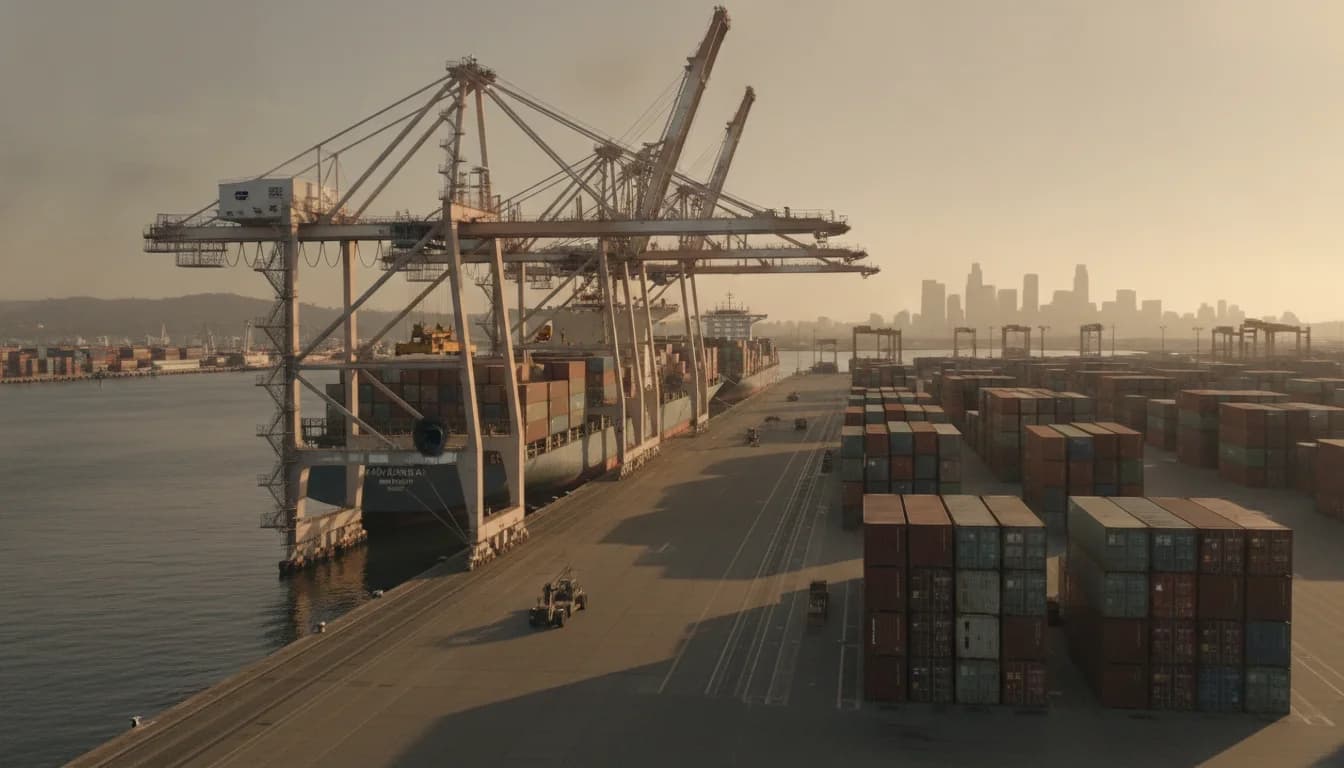
Yusen Terminals lease extension at Port of LA through 2056
Los Angeles, August 27, 2026 — In a move that will shape the Port of Los Angeles’ terminal operations for decades, the Los Angeles Board of Harbor Commissioners approved a 30-year extension of Yusen Terminals LLC’s lease at Berths 212–224 on the East Basin Channel, securing the operator’s presence through 2056. The decision, announced in a port-wide news release, comes after months of negotiation and aligns with the port’s broader strategy to stabilize capacity while accelerating its environmental agenda. The extension, which refreshes terms for a long-standing anchor tenant, marks a pivotal moment in the region’s maritime infrastructure and logistics planning as global trade continues to rebound from previous disruptions. Port of Los Angeles news release (portoflosangeles.org)
The harbor board’s action is paired with a formal amendment to the underlying permit and a commitment by Yusen Terminals to invest about $200 million in zero-emission cargo-handling equipment over the life of the extension, underscoring the port’s push toward cleaner operations. City officials characterized the arrangement as a direct reinforcement of supply chain resilience in Southern California while advancing emissions-reduction goals that are central to the region’s environmental and public-health priorities. A key element of the plan is not only duration but updated financial terms, with a rent reset designed to reflect fair market value and an adjusted risk-management framework, including a revised guaranty. These components are laid out in the harbor commission’s agenda packet for the August 27, 2026 meeting and related materials, which specify the term extension to 65 years in aggregate and the mechanism for the rent adjustments. Harbor Commission regular agenda (August 27, 2026) (portoflosangeles.org)
Opening paragraph: The broader significance of this extension rests on stability for a major Los Angeles-area terminal operator, the potential for modernization of equipment, and the signal it sends to shippers and carriers about the port’s long-range planning posture. The Port of Los Angeles notes that Yusen Terminals has operated at the port since 1991, covering 232 acres at Berths 212–224 in the East Basin Channel, and that the extension aligns with a portfolio of environmental initiatives aimed at reducing vessel and terminal emissions. This is part of a broader North American port landscape that increasingly links strategic leases with investments in technology and green infrastructure. Yusen Terminals press release (yti.com)
Section 1 — What Happened
The Agreement and its scope
The core development is a 30-year lease extension for Yusen Terminals LLC at the Port of Los Angeles, extending its lease through September 30, 2056. In practical terms, the extension adds a new, multi-decade runway to the port’s planning horizon, ensuring continued operations by a critical terminal operator that has been a fixture at the port since 1991. The extension is part of an amendment package approved by the Harbor Commission and documented in the commission’s August 27, 2026 agenda. The formal extension is designed to reset a suite of financial and operational terms to reflect current market conditions and to incorporate a modernized environmental framework. The primary sources from the Port of Los Angeles and the Harbor Commission detail the long horizon, the amendment to Permit No. 692, and the structure of the broader deal. For readers tracing the official documents, the port’s press release provides the high-level facts, while the commission’s agenda outlines the legal and financial specifics. Port of Los Angeles news release (portoflosangeles.org)
Financial terms and rent implications
The formal package includes an updated compensation structure that resets rents to reflect fair market value and introduces a revised mechanism for rent adjustments, in addition to a redefined transfer and guaranty framework. The Harbor Commission materials indicate that the guaranteed rent over the five-year period from October 1, 2026, through September 30, 2031, would increase by $10.4 million, representing a 4.8 percent increase relative to current levels. This five-year window is a subset of the new, longer-term arrangement, which negotiates the aggregate terms over the total 65-year horizon when judged together with the initial extension. This rent profile is intended to support the port’s ongoing balance between revenue generation and competitive pricing for port users. The official numbers and their context are laid out in the commission’s August 27, 2026 regular agenda materials. Harbor Commission regular agenda (August 27, 2026) (portoflosangeles.org)
Environmental commitments and equipment modernization
A standout feature of the Yusen extension is the commitment to invest $200 million in zero-emission cargo-handling equipment. The release frames this as a central component of the port’s broader climate and air quality objectives, signaling a tangible pathway toward cleaner terminal operations at one of the port’s busiest facilities. The investment is described as an “additional $200 million” infusion specifically tied to the terms of the lease extension, emphasizing both the scale of the investment and the port’s intent to accelerate a cleaner operating profile for container handling. The official port release explicitly highlights this commitment as part of the broader environmental strategy. Port of Los Angeles news release (portoflosangeles.org)
Background on Yusen Terminals and the site
Yusen Terminals LLC operates a 232-acre container terminal at Berths 212–224, situated along the Port’s East Basin Channel in Terminal Island. The company has been a long-standing anchor of the port’s container-handling network since 1991. This extension preserves a familiar operator in a critical gateway for West Coast cargo, while the environmental and financial terms reflect a trend toward modernizing port infrastructure to meet evolving regulatory requirements and customer expectations. The company’s corporate materials and the port’s own coverage provide the primary record for these facts. Yusen Terminals press release (yti.com)
Section 2 — Why It Matters
Stability for regional supply chains and port planning
A 30-year extension for Yusen Terminals contributes significantly to the Port of Los Angeles’ capacity strategy, preserving continuity at a time when supply chains face ongoing volatility from global trade dynamics, port congestion, and evolving trade patterns. The extension reduces the risk of a sudden vacancy or a protracted re-tender cycle at Berths 212–224, which could otherwise disrupt schedule reliability for carriers and shippers. The arrangement also provides a predictable horizon for capital planning, allowing Yusen to align its modernization plans—most notably the $200 million zero-emission equipment investment—with port-level sustainability timelines and public-health objectives. The official port and commission documents frame these outcomes as part of a data-driven approach to long-range infrastructure planning. Harbor Commission regular agenda (August 27, 2026) (portoflosangeles.org)
Environmental leadership and technology adoption
The specified investment in zero-emission equipment is emblematic of a broader shift in the maritime industry toward electrification and cleaner operations at the terminal level. Port authorities along the U.S. West Coast have increasingly linked terminal concessions to environmental performance metrics, with clean-air initiatives and other regulatory programs shaping the equipment, fuels, and energy sources used in cargo handling. The Yusen extension is presented in port documents as a vehicle to accelerate these transitions, signaling to other operators that environmental upgrades are a key component of long-term concession arrangements. The port’s press materials emphasize a direct alignment with emission-reduction goals, and Yusen’s own communications reiterate the importance of maintaining competitiveness through technology upgrades. Port of Los Angeles news release (portoflosangeles.org) Yusen Terminals press release (yti.com)
Competitive dynamics in a congested regional market
Port congestion and the competitive dynamic among major West Coast gateways underscore the significance of securing a stable tenant with a proven track record. The Port of Los Angeles competes with the Port of Long Beach for container business, and real estate terms that balance long-term occupancy with the port’s sustainability targets are a common theme in modern concession negotiations. While the harbor commission materials focus on the specific extension with Yusen, industry analysis and trade coverage show that terminal operators across the region pursue similar approaches—long-term presence, investment commitments, and a clear plan to reduce emissions as part of their value proposition to customers and regulators alike. The AP and trade press coverage of the LA extension reflect the broader market context in which port authorities seek predictable, capital-intensive partnerships with operators that can deliver both capacity and cleaner operations. Port of Los Angeles news release (portoflosangeles.org) FreightWaves coverage of the extension (freightwaves.com)
Section 3 — What’s Next
Regulatory approvals and governance steps
Although the Harbor Commission approved the extension, the effective implementation includes subsequent steps, notably transmission of the Fourth Amendment to Permit No. 692 to the City Council for formal approval under the City Charter. The August 27, 2026 regular agenda packet outlines the process for updating environmental review documents, confirming transfer provisions, updating insurance requirements, and aligning with the Harbor Department’s current consent framework. These steps ensure legal alignment with municipal processes, environmental review requirements, and risk management practices. The harbor commission’s agenda provides the explicit route for these actions. Harbor Commission regular agenda (August 27, 2026) (portoflosangeles.org)
Financial sequencing and rent trajectory
The five-year rent increase of $10.4 million (4.8 percent) within the extension’s first period demonstrates how long-term arrangements can incorporate periodic financial resets to reflect market conditions and the updated terms of the concession. Readers following the numbers should track how rent resets interact with the broader investment plan and the terminal’s ability to deliver emissions reductions at scale. The Harbor Commission’s agenda materials provide the specifics of the rent trajectory for the initial five-year window, while the longer-term rent profile will unfold as the 30-year extension’s first phase progresses. Harbor Commission regular agenda (August 27, 2026) (portoflosangeles.org)
What to watch for in the near term
- Timeline synchronization between the City Council approval and any necessary environmental documentation updates.
- Detailed implementation milestones for the $200 million zero-emission equipment investment, including procurement schedules, battery and electrification technology choices, and the integration of new equipment with existing terminal operations.
- Compliance milestones tied to the updated guaranty and insurance requirements, ensuring that the concession remains aligned with risk-management standards.
- Public-health and air-quality indicators tied to the terminal’s operational upgrades, given the expected emissions reductions from upgraded equipment.
- Capacity and throughput indicators at Berths 212–224, especially as the port region continues to manage vessel queueing and gate throughput during peak periods.
Conclusion The Yusen Terminals lease extension at the Port of Los Angeles represents more than a simple tenancy renewal. It is a strategic alignment of a long-standing operator with a forward-looking, sustainability-centric port vision. By locking in a 30-year extension through 2056 and tying the arrangement to a substantial capital program for zero-emission equipment, the port signals that stability, investment, and environmental performance can go hand in hand in the region’s dominant trade gateway. The decision not only secures a known operator in a busy terminal, but it also sets a measurable pathway toward cleaner operations and a clearer, more predictable planning environment for shippers, carriers, and local communities.
As Yusen Terminals and the Port of Los Angeles move into the implementation phase, stakeholders—including labor, environmental groups, customers, and regional policymakers—will be watching how the investment translates into operational efficiency, emission reductions, and competitive positioning within a dynamic global maritime market. The extension is a concrete signal that the Los Angeles port authority is pursuing a durable, data-driven approach to modernization—one that seeks to balance the need for capacity with the imperative to reduce environmental impact. For observers and participants in the supply chain, the next several years will reveal how this framework translates into tangible benefits on the water and on the surrounding communities.
What’s next in the broader trajectory is a continuing focus on how port concessions align with climate goals, how long-term leases influence investment cycles for terminal operators, and how the West Coast ports collectively position themselves to handle surging demand while maintaining the highest standards of air quality. The LA port’s decision to extend the Yusen Terminals lease—backed by a substantial capital plan—offers a case study in how major urban gateways can reconcile growth with responsibility, a balance that will be tested across the supply chain in the coming decade.
Notes for readers seeking to verify specifics and follow the record:
- Official Port of Los Angeles press release announcing the lease extension and the $200 million emissions-gear investment: Port of Los Angeles news release. Link to release (portoflosangeles.org)
- Harbor Commission agenda item detailing the extension, term through 2056, rent updates, and environmental provisions: Harbor Commission regular agenda (August 27, 2026). [Link to agenda] (https://portoflosangeles.org/commission/agenda-archive-and-videos/agendas/2026/08272026-regular-agenda) (portoflosangeles.org)
- Yusen Terminals’ corporate notice and materials confirming the operator’s role at Berths 212–224 and the broader context: Yusen Terminals press release. [Link to release] (https://yti.com/news-press/) (yti.com)
If you would like, I can provide a companion explainer that maps the extension terms against the Port of Los Angeles’ broader environmental and infrastructure investment plan, or a quick chart that compares this extension to recent concessions at neighboring West Coast ports.
About the author
Marisol Vega
Marisol Vega is the editor of Los Angeles Monday. She has covered City Hall, county government, and land use in Southern California, and edits the paper's daily report.