News
LAHSA Faces Funding Crisis After HUD Suspension
The U.S. Department of Housing and Urban Development has suspended the Los Angeles Homeless Services Authority, raising concerns about funding and…
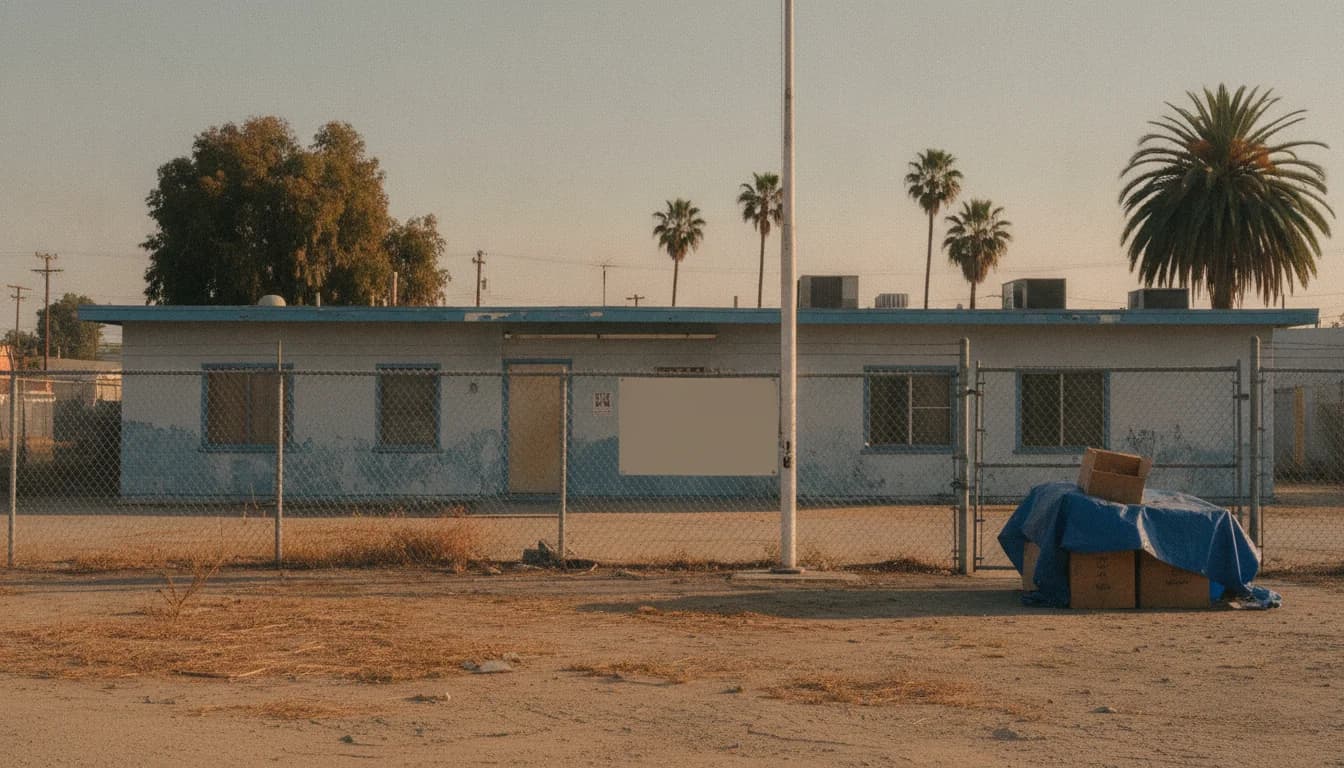
Los Angeles, a city long watched as a bellwether for homelessness policy, faced a watershed moment on June 11, 2026, when the U.S. Department of Housing and Urban Development (HUD) announced the immediate suspension of the Los Angeles Homeless Services Authority (LAHSA), the region’s lead agency for homelessness response. HUD’s action followed a HUD Office of Inspector General inquiry, and the move immediately raised questions about how LAHSA’s network of providers would stay funded and continue services for the city’s most vulnerable residents. The announcement put a national spotlight on how a major regional Continuum of Care operates, how funds flow from multiple levels of government, and how a sudden disruption can ripple through shelters, outreach teams, and housing subsidies. The action matters not only for Los Angeles but for other cities watching how federal oversight and local governance intersect in the fight against homelessness. Readers may search for terms such as “LAHSA funding suspension June 2026,” “HUD investigation LAHSA 2026,” and “LAHSA Ninth Circuit ruling 2026” to follow the evolving coverage and primary-source documents. The event underscored the scale of LAHSA’s operations: the agency oversees a Continuum of Care that has received hundreds of millions in federal dollars over recent years and coordinates a broad ecosystem of providers across a sprawling county. According to HUD’s June 11, 2026 release, LAHSA’s administration of federal funds is under scrutiny, even as the agency continues to manage a nationwide homelessness response framework. (hud.gov)
In the immediate aftermath of HUD’s announcement, headlines and policy briefings focused on the potential disruption to ongoing services. City and county partners, including local shelters, outreach teams, and permanent housing programs, faced questions about continuity as HUD’s suspension took effect. The Los Angeles Times summarized the risk in its June 11, 2026 coverage, noting that federal dollars accounted for about 8% of LAHSA’s budget—roughly $69 million in the cited fiscal year—and that the suspension could push thousands of formerly homeless residents back onto the streets if no alternate funding path emerged quickly. This context helps readers understand why the outcome of the HUD investigation and subsequent legal steps would matter for service providers and for the people LAHSA serves every day. (latimes.com)
Section 1: What Happened
HUD Suspension Announcement
On June 11, 2026, HUD announced the immediate suspension of LAHSA from receiving federal money following the opening of a HUD inspector general investigation. The agency’s statement framed the action as a response to a “record of fraud, failure, and flagrant mismanagement” that threatened the stewardship of taxpayer dollars. The release highlighted multiple concerns, including attested deficiencies in financial management, internal controls, and conflict-of-interest safeguards. The HUD action centers on the Los Angeles Continuum of Care, which LAHSA leads, and notes that nearly $1 billion in federal money had flowed to the region over the previous five years. The department asserted that the suspension would stand pending the IG investigation and related reviews. This HUD release is the primary document outlining the action and its rationale. (hud.gov)
Immediate Facts and Scale
The HUD press materials also provided a reminder of LAHSA’s scale within the national landscape of homelessness funding. The Los Angeles Continuum of Care has been a major recipient of federal dollars, and HUD framed the suspension within a broader inquiry into accountability and management across the Continuum of Care program. While HUD’s letter and related communications laid out concerns and possible outcomes, LAHSA and local partners responded with a commitment to maintaining essential services as appropriate next steps were determined. The department’s action was historic in its breadth, given LAHSA’s position as the county’s central coordinator for shelter, outreach, and housing subsidies in a region with one of the nation’s largest unhoused populations. (hud.gov)
A Key Funding Fact: The Federal Share
The funding context for LAHSA before the suspension drew attention from observers and policymakers. A June 11, 2026 Los Angeles Times report cited that federal funding accounted for about 8% of LAHSA’s budget for the fiscal year, amounting to roughly $69 million. The article underscored the potential systemic impact if those federal dollars froze or were delayed, given the breadth of LAHSA’s contracts with local providers and the reliance on a braided funding model that includes city, county, state, and federal sources. The figure and its governance implications became a focal point for subsequent legal and policy discussions. (latimes.com)
The Legal Backdrop: Following the Suspension
The June 2026 HUD action did not occur in isolation. It quickly intersected with ongoing court activity about LAHSA’s governance and role within the region’s homelessness response. In late September 2026, the U.S. Court of Appeals for the Ninth Circuit issued guidance related to LAHSA v. Trump et al., clarifying how the federal government’s actions should be treated as the appeal proceeded. The Ninth Circuit decision preserved key aspects of a district court’s preliminary injunction and allowed LAHSA to continue certain core functions while the broader funding issues were resolved. The decision also highlighted the importance of continuity in critical homelessness services and the consequences of abrupt changes to the system. This September ruling is chronicled in LAHSA’s own newsroom coverage and adds a critical layer of context to the June suspension, showing the ongoing legal dynamics around LAHSA’s federal funding and responsibilities. (lahsa.org)
Timeline and Key Facts (selected)
- June 11, 2026: HUD announces immediate suspension of LAHSA’s federal funding after opening an inspector general inquiry. The agency notes that nearly $1 billion in federal funds have flowed to LAHSA over the past five years and states that the suspension will remain in place during the investigation. (hud.gov)
- June 11, 2026: Los Angeles Times report confirms the federal share in LAHSA’s budget—about 8%, or roughly $69 million, for the fiscal year. The article warns of potential disruption to services if federal funds are not restored or replaced by other sources. (latimes.com)
- September 24, 2026: Ninth Circuit issue related ruling preserves core elements of LAHSA’s administrative role while the appeal proceeds, including aspects of the federal funding timeline and the agency’s continuity of operations. The decision is documented in LAHSA’s newsroom posting detailing the court’s order and the implications for regional homelessness services. (lahsa.org)
Section 2: Why It Matters
Service Delivery at Stake
The immediate risk in the June 11, 2026 HUD action was disruption to the continuum of care that LAHSA administers, including shelters, street outreach, and housing subsidies. As HUD and the inspector general scrutinize LAHSA’s financial management and internal controls, the possibility of funding gaps could affect service contracts with nonprofits and the flow of funds that local providers rely on to operate programs that help vulnerable residents secure housing and supportive services. The LA Times framing of the $69 million federal share—8% of LAHSA’s budget—illustrates how a relatively small percentage of total funding, if interrupted, can have outsized effects on service capacity and program stability. The broader implication is a potential shift in how homelessness services are funded and supervised in a major urban area, with consequences for service delivery timelines, staffing, and client outcomes. (latimes.com)
Governance Shifts and Local Accountability
The June 2026 development occurred amid a broader political and administrative shift in Los Angeles County’s approach to homelessness funding. County authorities had signaled intent to transition more LAHSA programming into the Department of Homeless Services and Housing (HSH) in fiscal year 2026-27, a move designed to consolidate oversight and, in theory, improve accountability and outcomes. A January 16, 2026 county document outlines ongoing discussions about LAHSA operations, state funding interfaces, and the planned funding transition, including the decision to preserve core LAHSA functions (such as HMIS and PIT counts) while transitioning other funding streams to HSH. The county’s efforts to reallocate resources are described in detail in the formal staff memo, which underscores the complexity of braiding and unbraiding funds across multiple contracts and departments. This context helps explain why the June suspension sent reverberations through both LAHSA and the broader governance framework of homelessness services in the region. (file.lacounty.gov)
Budgetary Realignments and the Measure A Framework
LA County’s Measure A spending plan is central to understanding the fiscal environment surrounding LAHSA. The Measure A program funds a substantial portion of the county’s homelessness response, and the 2026-27 Spending Plan documents lay out the process and the anticipated allocations, including changes due to funding reductions, shifts, and deficits facing local and federal funding sources. The plan emphasizes transparency and community engagement, with an explicit acknowledgement that the region must navigate a funding landscape that includes the Measure A revenue stream, prior year carryovers, and the ongoing management of the Homelessness Housing, Assistance, and Prevention (HHAP) program. The county’s documentation shows a deliberate approach to balancing reduced or shifted funding against ongoing service obligations, which becomes especially salient when a major partner like LAHSA experiences a funding interruption. (homeless.lacounty.gov)
Legal and Policy Implications
Beyond immediate service delivery and funding mechanics, the June suspension and subsequent Ninth Circuit actions illuminate the complex legal framework governing federal funding for homelessness programs. The federal government's authority to suspend funds pending investigations intersects with district court injunctions and appellate court reviews that seek to preserve service continuity while governance issues are resolved. The Ninth Circuit’s September 2026 ruling clarifies the balance between protecting program funding stability and allowing investigative processes to proceed, illustrating how federal oversight can influence local policy decisions and funding arrangements for a major urban Continuum of Care. LAHSA’s leadership framed the ruling as offering greater regional stability during a challenging transition period, stressing that maintaining frontline services and ensuring funds reach providers are top priorities even as accountability questions are addressed. (lahsa.org)
Section 3: What’s Next
Key Milestones for Late 2026 and Early 2027
The immediate next milestone for this unfolding story is the October 14, 2026 NOFO (Notice of Funding Opportunity) deadline for the FY 2026 funding cycle, a date highlighted in LAHSA’s Ninth Circuit coverage as a critical inflection point for the region’s ability to apply for and receive federal resources while the case proceeds. The Ninth Circuit ruling confirms that LAHSA can continue to operate within a collaborative applicant framework and that the region can proceed with the 2026 application cycle under the court’s guidance. Observers should watch how HUD and LAHSA coordinate on the release and execution of any FY2025 funds, as well as how the 2027 CoC NOFO and related RFQ processes unfold under ongoing court oversight. (lahsa.org)
What to Watch for in Public Discourse and Policy
- HUD and LAHSA communications on the status of the FY2025 and FY2026 funding agreements, including whether funds will be released on the standard schedules or adjusted due to auditing or compliance actions.
- The pace and structure of the transition of certain LAHSA functions to the County’s Department of Homeless Services and Housing (HSH), including any operational milestones that would minimize disruption to service providers and program beneficiaries. The January 2026 county memorandum and the February 2026 Measure A spending materials provide a backdrop for these changes and what to monitor in terms of budget timing and program continuity. (file.lacounty.gov)
- The ongoing legal status and any new court rulings that affect the CoC’s leadership roles, HMIS governance, and PIT count administration, all of which will influence how LAHSA and local partners plan for future funding cycles and service delivery. The Ninth Circuit’s Sept. 24, 2026 order is a key benchmark for these dynamics. (lahsa.org)
Closing
The June 11, 2026 HUD suspension of LAHSA’s federal funding, followed by the September 2026 Ninth Circuit action, marks a pivotal juncture in Los Angeles’ homelessness response. The episode underscores how federal oversight, state and local governance, and Washington-to-Washington-state policy threads intersect in a region with one of the nation’s largest unhoused populations. It also highlights the resilience of the local system: LAHSA, its partner providers, and county leadership are navigating a complex funding architecture while striving to maintain essential services for those who rely on them most. As LAHSA and its stakeholders move through the next phases—filing for grants, aligning with HSH, and awaiting the next court and federal decisions—watchers should stay tuned to official statements from HUD and LAHSA, as well as independent coverage that tracks the practical implications for people on the ground in Los Angeles County. The story of LAHSA’s funding and governance is ongoing, and its outcomes will influence homelessness policy and funding models far beyond Southern California.
About the author
Priya Raghunathan
Priya Raghunathan writes about culture and sport for Los Angeles Monday: film and music, the restaurants feeding the city, and the teams and venues carrying it through the week.