News
Port of Los Angeles Advances Master Plan Amendments
The Port of Los Angeles is progressing with amendments to its Master Plan, focusing on land-use updates and infrastructure changes to enhance trade and…
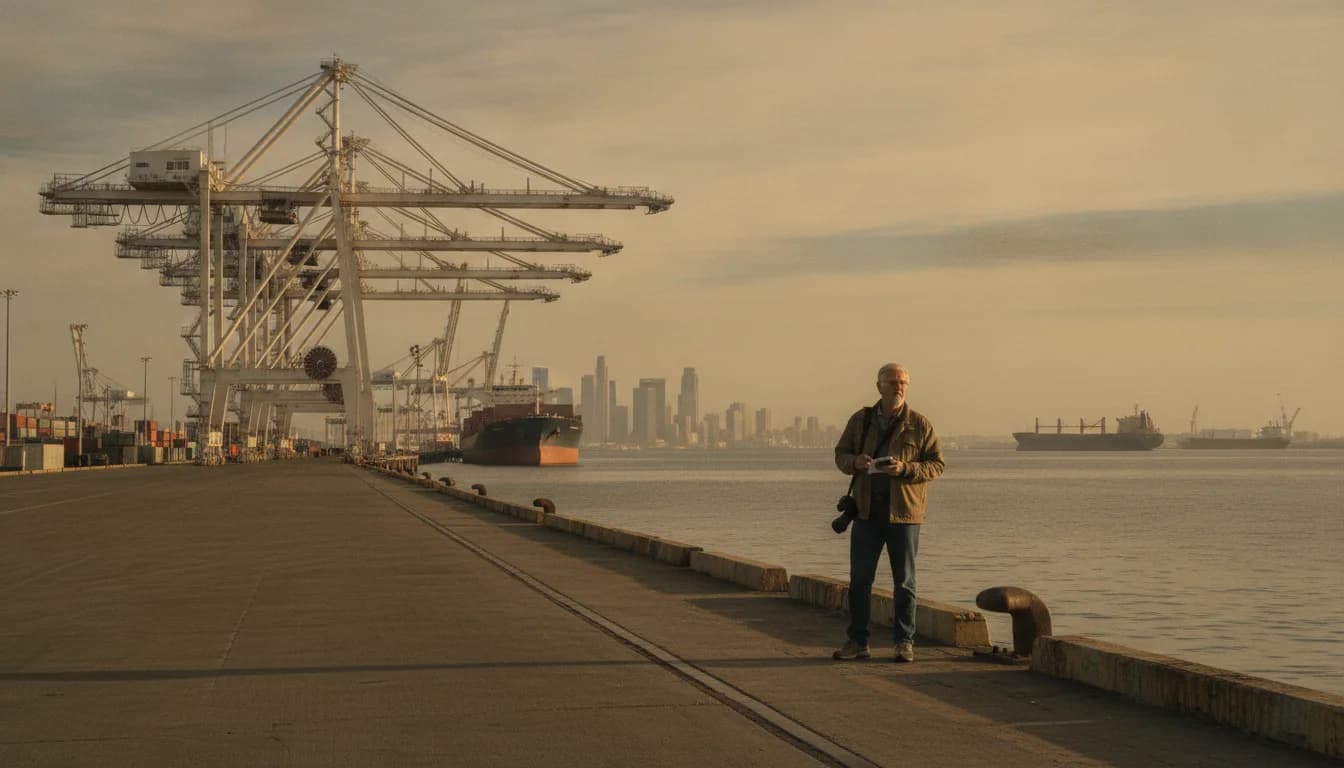
The Port of Los Angeles is moving forward with a set of Port Master Plan Amendments that could shape the direction of the harbor for years to come. In early 2026, the Port’s Harbor Commission held public hearings and official deliberations on the amendments, signaling a methodical, data-driven approach to updating planning documents that govern land use, berthing, and future development within the Port complex. The latest round centers on a series of changes to the Port Master Plan (PMP), including a high-profile amendment that updates land-use designations for Planning Area 2, changes at Berths 187–194, and the broader process of coordinating with the California Coastal Commission for certification. The proceedings and related notices are public records that reflect the Port’s commitment to transparent planning and careful environmental review as the harbor evolves to handle changing trade flows, technology reforms, and growing demand for cargo handling capacity in Southern California. The public discourse around these amendments is also shaping how nearby communities perceive port development, truck mobility, and the environmental footprint of maritime activity.
Port Master Plan Draft Amendment No. 31, updating Berths 187–194 in Planning Area 2, was adopted by the Port of Los Angeles Harbor Commission on July 9, 2026. The formal action reflected a culmination of multiple steps in the PMP amendment process and was accompanied by the City’s regulatory framework for maritime planning, including potential movements to Coastal Commission certification. This milestone was the product of months of public hearings, staff analyses, and intergovernmental coordination, illustrating how the Port balances operations, maritime commerce, and coastal protections as part of its long-range planning cycle. The adoption aligns with the Port’s broader strategic posture to modernize infrastructure and adapt land-use designations in response to evolving market dynamics and technology deployments across the logistics sector. The steps leading to this moment — the February 12, 2026 public hearing, the June 11, 2026 Harbor Commission agenda, and the eventual July 9, 2026 adoption — highlight a disciplined, data-driven approach to governance at the Port and set the stage for subsequent regulatory actions. The sourcing of these dates and actions is drawn from Port of Los Angeles official meeting agendas, notices, and related documents. (portoflosangeles.org)
What Happened
Public Hearing Timeline
February 12, 2026 public hearing: The Port Master Plan Amendment process entered a critical public review phase on February 12, 2026, when stakeholders and community members were invited to comment on the proposed PMP amendment (No. 30 at that time). City and port staff used the hearing to present the analytical framework, the anticipated land-use changes, and the environmental review approach associated with the amendment. The June 11, 2026 Harbor Commission agenda explicitly notes that staff would consider all comments from the February 12 public hearing for a PMP Amendment, illustrating the sequential, multi-meeting nature of the process. This sequencing underscores a commitment to capturing a broad range of viewpoints before any formal Board action. (portoflosangeles.org)
June 11, 2026 regular meeting: At the June 11, 2026 Harbor Commission agenda, staff requested that the Board consider all comments from the February 12 hearing for a proposed Port Master Plan Amendment No. 30, with related CEQA determinations, and recommended actions to move the amendment forward for Coastal Commission submission. The June agenda also laid out the recommendation to adopt the amendment and to authorize its submission for Coastal Commission certification, marking a crucial step from public comment to official regulatory consideration. The reference to Amendment No. 30 marks a specific mid-point in the PMP effort, distinct from the amendment subsequently adopted as No. 31 in July. (portoflosangeles.org)
July 9, 2026 regular meeting: A subsequent Harbor Commission session on July 9, 2026 culminated in an official Board action to adopt Port Master Plan Amendment No. 31, including a map change at Planning Area 2 covering Berths 187–194. The agenda materials emphasize that Amendment No. 31 updates the land-use map for Planning Area 2 to reflect current conditions and planned uses, and that the Board authorized submitting the amendment to the California Coastal Commission for certification. This step reflects the standard regulatory sequence: Board adoption followed by Coastal Commission review and certification. The public notice and board book entries confirm the Berth 187–194 designation in Planning Area 2 as the focus of Amendment No. 31. (portoflosangeles.org)
Public documentation and notices: In addition to the meeting records, the Port’s process included formal notices such as the Notice of Completion for Draft Port Master Plan Amendment No. 31, underscoring the environmental review and public participation embedded in the PMP process. The notice confirms the formal public process and the specific amendment under review, providing a clear trail from initial filing through completion of environmental documentation. (kentico.portoflosangeles.org)
Amendment Details
Port Master Plan No. 31 specifics: The July 9, 2026 board materials identify that PMP Amendment No. 31 involves a map change at Berths 187–194 within Planning Area 2. The targeted geography — Berths 187–194 — locates the amendment squarely in the West Basin/Harbor area of the Port. The planning change is described as updating the land-use map to reflect the existing and proposed facilities in that specific portion of the Port. The adoption of this amendment indicates a formal recognition of the new configuration and a path to Coastal Commission certification. The formal board documentation explicitly states the focus on Berths 187–194 and the Planning Area 2 designation. (portoflosangeles.org)
The broader PMP process and Coastal Commission pathway: With the board’s adoption, the Port will move to submit the amendment to the California Coastal Commission for certification, per the July 9, 2026 materials. This step is a standard piece of the coastal regulatory process for port expansions, land-use changes, and infrastructure projects along the Southern California coastline. The connection to the Coastal Act is reinforced in the port’s public notices and board book, which emphasize the need for Coastal Commission review and certification before the amendment can take effect. This pathway is consistent with the Port Master Plan’s role as a long-range planning instrument in alignment with the California Coastal Act. (portoflosangeles.org)
Documentation trail and timing: The Port’s public notices and board books offer a clear, auditable timeline for Amendment No. 31, including the February 12, 2026 public hearing for No. 30, the June 11, 2026 staff recommendation and consideration, and the July 9, 2026 Board adoption of No. 31 with the subsequent submission to the Coastal Commission for certification. The public notice the Coastal Act process provides a formal entry point for environmental review and community input, reinforcing the transparency of the process. (portoflosangeles.org)
Why It Matters
Operational and Economic Implications
Land-use modernization within a busy port complex: The Port Master Plan Amendments are part of a broader effort to align land-use designations with current engagements and future cargo-handling needs. By updating Planning Area 2’s land-use map to reflect Berths 187–194, the Port signals a reconfiguration of space to accommodate current operations and planned developments. This kind of amendment can influence which activities are permitted at specific berths, how containerized cargo moves through the terminal, and how trucks and rail connections are routed in the surrounding port-adjacent areas. These changes can, in turn, affect throughput, terminal productivity, and the port’s capacity to respond to shifting trade patterns. The formal adoption and the plan to pursue Coastal Commission certification indicate the Port’s intent to move from planning to implementation within a regulated framework. (portoflosangeles.org)
The regulatory arc and implementation timeline: The PMP amendment process is tightly coupled with CEQA/CEQA-equivalent environmental reviews and Coastal Act requirements. The June 11, 2026 agenda references a CEQA exemption determination for the earlier amendment (No. 30) and the formal submission steps to the Coastal Commission for certification, illustrating how environmental and regulatory reviews accompany planning actions at the Port. The California Coastal Act is a fundamental anchor for port planning, ensuring that expansions and land-use changes are evaluated for coastal resource protections, habitat considerations, and public access implications. This regulatory architecture matters for investors, shippers, and local communities that monitor infrastructure decisions and the associated environmental compliance. (portoflosangeles.org)
Competitive and regional context: The Port of Los Angeles is part of a dynamic San Pedro Bay port complex, with neighboring jurisdictions like the Port of Long Beach contributing to the region’s cargo-handling capacity. Decisions on the PMP affect not just the Port but the broader Southern California logistics ecosystem, including regional supply chains, labor markets, and the reliability of shipping routes. The ongoing planning activity, including amendments that adjust berthing designations and land-use maps, is a signal that the Port is actively managing growth pressures and technological change within the constraints of coastal regulation. For readers and stakeholders focused on supply chains, these amendments may align with broader trends toward more efficient terminals, resilience planning, and the need to accommodate new forms of cargo processing and automation while preserving coastal protections. (portoflosangeles.org)
Community and stakeholder perspectives: The evolution of the Port Master Plan, and the ongoing process to amend it, inevitably intersects with neighborhood concerns, traffic patterns, and environmental impacts associated with port activity. News reporting from local outlets and public-interest watchdogs has highlighted issues such as truck parking, traffic congestion, and the potential need for additional plan amendments to address transportation and land-use conflicts in port-adjacent communities. While these perspectives are not the central legal determinations in the PMP process, they frame the conversation about how the port’s long-range planning will affect local quality of life, infrastructure stress, and environmental outcomes. Recent coverage and commentary underscore the importance of transparent processes and timely communication with community stakeholders as amendments move through the regulatory pipeline. (latimes.com)
Broader Context: Port Master Plan and the Coastal Regime
The Port Master Plan as a planning instrument: The Port Master Plan functions as the Port’s long-range planning framework, guiding the development of facilities, berths, and land use in a way that coordinates with state and local regulatory requirements. The plan’s updates typically reflect current operations, anticipated demand, and the port’s alignment with environmental and coastal regulations. The Port’s own portal describes the PMP as the instrument that shapes the port’s future while maintaining compliance with the California Coastal Act. This alignment between planning and coastal regulation is a hallmark of responsible port governance and a critical component of how the Port positions itself for future investment and project approvals. (portoflosangeles.org)
The regulatory pathway to certification: Adoption by the Harbor Commission is just one step in a longer process that includes submission to the California Coastal Commission for certification. The July 9, 2026 materials outline that the Executive Director would submit Amendment No. 31 to the Coastal Commission for certification, which represents a standard regulatory step to ensure coastal consistency and compliance with environmental and public-access objectives on the coast. The Coastal Act process is the essential regulatory gateway to implementing amendments that alter land-use designations and berthing configurations at the Port. (portoflosangeles.org)
Environmental review and transparency: The public notice and Notice of Completion for the Draft Amendment No. 31 illustrate the environmental review and public disclosure components embedded in PMP amendments. This ensures that stakeholders and the public can review potential environmental effects and provide input before certification decisions are made. Environmental review is not merely a box-ticking exercise; it informs mitigation measures, alternatives analysis, and long-term operational planning to reduce environmental impacts while enabling port growth. The public notice and associated documentation provide a verifiable record of these processes. (kentico.portoflosangeles.org)
What’s Next
Next Steps in the PMP Amendment Timeline
Coastal Commission submission and certification: With the Board’s adoption of PMP Amendment No. 31, the Port will submit the amendment to the California Coastal Commission for certification. The Coastal Commission’s review will assess consistency with the coastal management program, evaluate potential environmental impacts, and determine conditions needed to approved the amendment. The outcome of the Coastal Commission process can guide any required modifications or conditions before the amendment becomes effective. The duration of Coastal Commission review can vary, but the process is a standard, multi-month sequence for port-planning actions of this scale. The Port’s materials indicate this submission path and emphasize the importance of Coastal Commission certification in finalizing the amendment. (portoflosangeles.org)
Public engagement and notice of additional hearings: While the formal Board action on No. 31 is complete, additional opportunities for public engagement typically occur during Coastal Commission hearings and any local hearings that may be scheduled as part of the certification process. Stakeholders should monitor the Port’s communications and the Coastal Commission’s notices for updates on hearing dates, environmental review documents, and proposed conditions. The Port’s ongoing public-facing information channels and docket notices will continue to play a central role in informing neighbors, industry participants, and community organizations about forthcoming milestones. (portoflosangeles.org)
Implementation and operations planning: Once certified, the PMP amendments guide project-level permitting and implementation within the Port’s facilities. Operators and tenants may adjust operational plans, berthing configurations, and land-use activities to conform with the amended plan and any certification conditions. The implementation phase often involves more granular environmental monitoring, mitigation actions, and coordination with city and state agencies to ensure compliance with coastal and environmental standards. This is where the strategic alignment of planning, engineering, and environmental stewardship becomes tangible on the ground. While specific project-level notices will be issued as projects proceed, the PMP remains the top-level frame for these decisions. (portoflosangeles.org)
Monitoring evolving trade dynamics: The Port Master Plan Amendments reflect an ongoing effort to adapt to evolving trade patterns, technology adoption (such as automation and digital workflow improvements), and changes in the logistics network across Southern California. Readers with an eye on market trends will want to track how the adopted amendments influence capacity, throughput, and efficiency, particularly as global supply chains adjust to ongoing shifts in demand, vessel schedules, and intermodal connectivity. The Port’s strategic documents and related budgetary materials illustrate the port’s intent to balance growth with resilience and sustainability within regulatory constraints. (portoflosangeles.org)
Potential implications for adjacent communities: As the PMP amendments refine land-use designations near berthing facilities and industrial land, nearby neighborhoods may experience changes related to traffic, noise, and environmental exposures. Public-interest reporting and community planning discussions frequently explore how port modernization intersects with neighborhood quality of life, local air quality, and transportation infrastructure. While the regulatory process emphasizes environmental reviews and mitigation, long-run perceptions of the port’s growth will hinge on ongoing communication with stakeholders and the degree to which the port can balance economic benefits with social and environmental considerations. (latimes.com)
Closing
The Port of Los Angeles is pursuing a structured, evidence-based update to its master planning framework, with Amendment No. 31 representing a concrete and recent milestone in Planning Area 2. The process illustrates how a major port coordinates planning, environmental review, and regulatory certification to align with evolving market demands while protecting coastal resources. The sequence — public hearings in February 2026, board deliberations and CEQA considerations in June 2026, and formal adoption in July 2026 — demonstrates a disciplined approach to governance and transparency that readers seeking to understand the region’s maritime infrastructure will find informative. As the amendment moves toward Coastal Commission certification, the public and industry stakeholders will have a final opportunity to assess the proposed changes, ask questions, and observe how the Port translates master-plan updates into real-world infrastructure, efficiency gains, and long-term resilience for Southern California’s trade arteries. For ongoing updates, readers should monitor official Port of Los Angeles communications and Coastal Commission notices, which will provide the latest timetable, hearings, and decisions as this plan amendment progresses through the regulatory pipeline. (portoflosangeles.org)
Readers and industry observers can stay informed about the Port of Los Angeles Plan Amendments through the Port’s official channels, including the Harbor Commission agenda pages, project notices, and related planning documents. The amendments illustrate the port’s commitment to data-driven planning and to maintaining coastal protections while pursuing improvements that support regional supply chains, job creation, and economic activity in Los Angeles and the broader Southern California economy. By tracking the PMA process, stakeholders gain insight into how the Port balances growth with accountability and how these changes may influence the dynamics of international shipping, logistics, and the regional market over time. The Port’s public-facing materials, including the Master Plan overview, the 2026/27 budget context, and the Coastal Act notices, provide a foundation for understanding the trajectory of the Port of Los Angeles Plan Amendments and their implications for the region’s maritime economy. (portoflosangeles.org)
About the author
Marisol Vega
Marisol Vega is the editor of Los Angeles Monday. She has covered City Hall, county government, and land use in Southern California, and edits the paper's daily report.