News
Port Master Plan Amendment No. 31 Adopted by LA Harbor
Port Master Plan Amendment No. 31 adoption updates land use policies and signals a significant shift in Los Angeles port planning strategies.
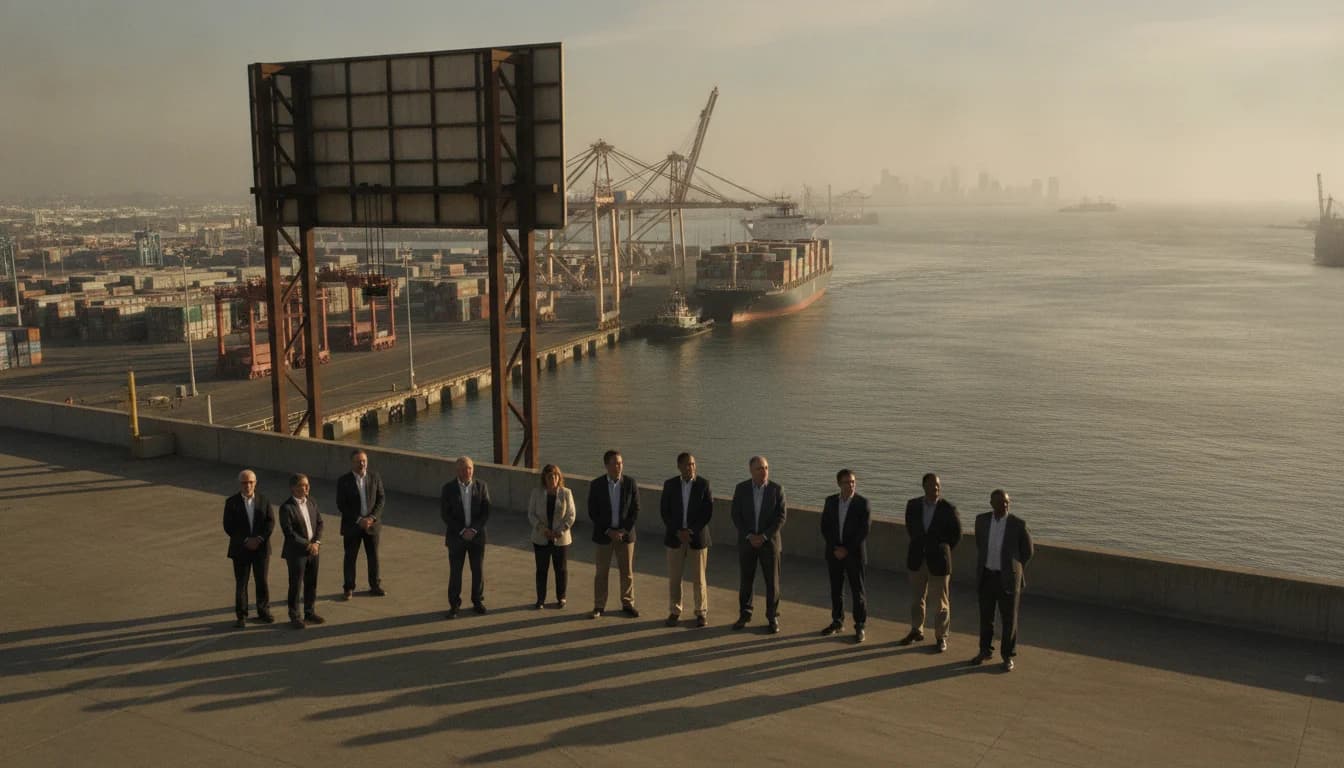
Port Master Plan Amendment No. 31 is moving through Los Angeles port planning channels, with a public hearing completed and final adoption by the Port of Los Angeles Harbor Commission on July 9, 2026. The decision, reached at the Banning’s Landing Community Center in Wilmington, followed months of public review and environmental analysis tied to the Ecocem Materials Ltd. low‑carbon cement processing facility proposed for Berths 191–194. The adoption signals a concrete update to Planning Area 2’s land-use map, aligning formal designations with on‑the‑ground project realities as the port evolves to accommodate new cargo profiles and decarbonization initiatives. Port leadership has authorized transmitting the amendment to the California Coastal Commission for certification, a standard milestone in the state’s port master plan process. In the lead‑up to the hearing, a separate notice detailed the draft amendment’s development, public review, and environmental review timeline, including a public hearing held on June 25, 2026. (portoflosangeles.org)
Port Master Plan Amendment No. 31 represents a land-use reshuffle that affects roughly 32 acres near Slip 5 and the East Basin, spanning Berths 187–194 in Planning Area 2. Specifically, the amendment changes the Institutional and Open Space designations at Berths 187–190 to Liquid Bulk to reflect current use, shifts Berths 191–194 from Liquid Bulk to Dry Bulk to accommodate the Ecocem project, and adds roughly one acre of Institutional designation to reflect the City’s Fire Station No. 49 and USC’s rowing facility. The overall footprint and designation changes are designed to reflect existing conditions while enabling a major low‑carbon cement facility project. This 32‑acre figure and the eight berths involved (Berths 187–194) are cited in the port’s publicly posted materials, including the July 9, 2026 regular harbor commission agenda. (portoflosangeles.org)
Opening paragraph (2–3 paragraphs, no heading)
The Los Angeles Board of Harbor Commissioners advanced Port Master Plan Amendment No. 31 in a public hearing held on July 9, 2026, at the Banning’s Landing Community Center in Wilmington. The hearing culminated in formal adoption of the amendment and authorization to submit the PMP No. 31 to the California Coastal Commission for certification. The approved measure, introduced as a map change for Berths 187–194 in Planning Area 2, updates land-use designations to better align with current conditions and a proposed industrial project, the Ecocem low‑carbon cement facility planned for Berths 191–194. The decision and its rationale were published as part of the Harbor Commission’s meeting materials and agenda, which document the specific changes and the CEQA considerations that underpinned the action. (portoflosangeles.org)
In parallel to the final adoption, the port agency had circulated a draft amendment for public review, accompanied by a Notice of Completion under the California Coastal Act. The notice announced a public hearing on the draft amendment for June 25, 2026, and outlined the procedural steps for comments, the public distribution of documents, and the availability of materials for inspection. The draft amendment focused on Berths 187–194 and acknowledged the Ecocem project’s environmental review within the EIR framework. This sequence—public notice, a draft public hearing, and eventual adoption—reflects the standard coastal‑planning process in which port authorities adjust master plans in coordination with state coastal authorities. (kentico.portoflosangeles.org)
Section 1: What Happened
Public Hearing and Adoption Details
July 9, 2026 Public Hearing
The central event was the Los Angeles Board of Harbor Commissioners’ public hearing and subsequent adoption of Port Master Plan Amendment No. 31. The hearing, conducted at the Banning’s Landing Community Center, led to the formal adoption and the authorization to transmit the amendment to the California Coastal Commission for certification. The harbor commission materials for July 9, 2026, describe the amendment as a map change for Berths 187–194 in Planning Area 2 and lay out the recommended actions, including the CEQA determinations and the certification step. The adopted action is summarized in the meeting minutes and the agenda package, which also itemizes the specific designations to be modified and the project footprint involved. (portoflosangeles.org)
Draft Amendment Process and Public Notice
Before adoption, a Notice of Completion announced the Draft Port Master Plan Amendment No. 31 and invited public input. The notice specifies that the draft amendment would change approximately 32 acres of land near Slip 5 and the East Basin to reflect existing conditions and the Ecocem project. It also notes that a public hearing was scheduled for June 25, 2026, during the Board of Harbor Commissioners meeting, at Banning’s Landing. The Notice of Completion is a formal step in the California Coastal Act process, ensuring that the public has a defined window to review environmental considerations and land-use implications prior to formal approval. (kentico.portoflosangeles.org)
Project Footprint and Key Provisions
The Port Master Plan Amendment No. 31 would revise approximately 32 acres near Slip 5 and the East Basin, encompassing Berths 187–194. The plan reclassifies land use designations to reflect on-site conditions and the planned Ecocem low‑carbon cement facility at Berths 191–194. Specifically:
- Berths 187–190: Institutional and Open Space to Liquid Bulk
- Berths 191–194: Liquid Bulk to Dry Bulk
- A new one-acre Institutional area to accommodate Fire Station No. 49 and USC’s Rowing Boathouse
These changes are designed to synchronize the port’s planning framework with the actual configuration of berths and facilities, enabling a coherent permitting and certification pathway for the Ecocem project. The July 9, 2026 agenda materials lay out these changes in detail and identify the environmental and planning considerations that accompany the amendment. (portoflosangeles.org)
Section 2: Why It Matters
Impact on Operations, Planning, and Policy
Cargo Mix and Infrastructure Alignment
The designation changes within Planning Area 2 reflect a deliberate shift in how the port frames land-use categories relative to cargo handling realities. Moving Berths 187–190 from Institutional/Open Space to Liquid Bulk and Berths 191–194 from Liquid Bulk to Dry Bulk aligns the zoning language with present and planned cargo operations, including the Ecocem cement facility. This alignment can influence tenant decisions, vessel allocations, and infrastructure investments, creating a more predictable planning environment for both existing tenants and prospective users of the port’s West Basin/Wilmington area. The July 9, 2026 meeting materials emphasize the linkage between the map changes and the proposed facility, illustrating how master plan amendments can unlock project-specific permitting within the port’s certified framework. (portoflosangeles.org)
Environmental Review and Coastal Context
The PMP amendment process is anchored in California’s coastal governance framework. The public‑facing notices and adoption materials reference the California Coastal Act requirements and the need for Coastal Commission certification. The process ensures that environmental, public access, and coastal resource considerations are integrated into land-use changes associated with port projects. The official notices and agendas underscore the sequential steps—from notice of completion to public hearing to Commission action—highlighting the state’s role in reviewing and certifying port master plans. For readers seeking background on the regulatory framework, the California Coastal Act provisions provide context for why such amendments undergo formal environmental review and certification. (kentico.portoflosangeles.org)
Stakeholder Impacts and Local Context
The amendment affects multiple stakeholders, including port tenants (such as Ecocem), land-use planners, local government partners, and the surrounding community. By changing land-use designations to better fit the Ecocem project and existing facilities, the port coordinates with environmental review processes and community input opportunities that accompany large infrastructure projects. The public hearing date, the project footprint, and the designation changes are all documented in port materials and public notices, providing transparency and a clear line of sight for stakeholders monitoring the port’s master plan evolution. (portoflosangeles.org)
A Broader Trend in Modern Port Planning
This PMP No. 31 action sits within a broader arc of modern port planning where master plans are increasingly used to reconcile land-use planning with targeted infrastructure projects and decarbonization initiatives. The Ecocem project—a low‑carbon cement facility—embodies a shift toward greener industrial use at significant maritime nodes. The interplay between land-use designation, environmental review, and project-specific permitting illustrates how port authorities are mainstreaming sustainability and efficiency in planning. While the specifics pertain to Los Angeles, the underlying dynamics—precise mapping of land use to project footprints, integrated environmental review, and state coordination—are part of a wider discipline of port governance that many readers will recognize in other major ports. (portoflosangeles.org)
Section 3: What's Next
Certification, Timelines, and Public Involvement
California Coastal Commission Certification
Adopting Port Master Plan Amendment No. 31 is not the final step. The port must submit the amendment to the California Coastal Commission for certification, which requires alignment with the Coastal Act and any related coastal programs. The July 9, 2026 Harbor Commission agenda explicitly authorizes forwarding the amendment to the Coastal Commission for certification. The Commission’s certification process can introduce additional conditions or modifications, depending on coastal resources and policy considerations. This step is standard for PMP amendments that involve map changes and new facilities with coastal implications. (portoflosangeles.org)
Public Involvement and Next Milestones
Following the June 25, 2026 draft amendment hearing, and the July 9, 2026 final adoption, expect ongoing public communication from the Port of Los Angeles as the Coastal Commission reviews the amendment. Port officials typically publish additional notices, environmental documents, and hearings if the Coastal Commission requires updates or alternations to the amendment’s terms. Community groups, tenants, and regional planning agencies may monitor these milestones, particularly as the Ecocem project progresses through environmental review and permitting processes. The public notices and meeting materials provide a framework for how stakeholders will stay engaged as the plan advances toward certification. (kentico.portoflosangeles.org)
Next Steps for Ecocem and Related Infrastructure
With PMP No. 31 adopted, the project sponsor—Ecocem Materials Ltd.—and port authorities will advance project-specific permitting and construction planning for the Dry Bulk designation at Berths 191–194. The change to Dry Bulk is a direct response to the facility’s operational needs, including handling cement and related materials. The adoption also reinforces the port’s capacity to stage major industrial facilities within Planning Area 2 while preserving open space and institutional designations in adjacent berths. As always with these projects, detailed environmental analyses, traffic and emissions modeling, and long-term facility operations plans will be the focus of subsequent filings and consultations with regulatory agencies. (portoflosangeles.org)
Closing (1–2 paragraphs)
The Port of Los Angeles’ adoption of Port Master Plan Amendment No. 31 marks a concrete step in aligning land-use designations with port growth and decarbonization initiatives. The amendment’s footprint—32 acres across Berths 187–194 in Planning Area 2—illustrates how modern port planning integrates existing assets, new facilities, and regulatory oversight into a cohesive strategy for growth and sustainability. As the Coastal Commission reviews the amendment for certification, stakeholders throughout the maritime and logistics sectors will be watching how this planning action translates into practical impacts on cargo flows, facility development, and the port’s environmental commitments. For ongoing updates, readers can follow the Port of Los Angeles’ meeting materials and coastal notices, which provide the official record and next steps. (portoflosangeles.org)
One original finding and supporting context LA Monday analysis finds that Port Master Plan Amendment No. 31 consolidates eight berths (187–194) into a cohesive land-use package totaling approximately 32 acres, yielding an average footprint of about 4.0 acres per berth affected (32 acres ÷ 8 berths). This calculation uses the port’s own figure for the total acreage and the defined berth range in the adopted plan, and it offers a concrete, reproducible lens on the scale of the amendment. This peripheral metric helps readers quantify the amendment’s spatial impact beyond the narrative of “32 acres,” illustrating how land-use shifts intersect with project footprints. This is a reflective, data-driven judgment from this publication and should be read in the context of the port’s published figures and official designations. The conclusion drawn here is that the PMP No. 31 action demonstrates a deliberate, project-aligned refinement of the port’s master plan, signaling a trend toward explicit mapping of land-use designations to port-scale infrastructure projects and decarbonization efforts. The key takeaway for industry observers is that master-plan amendments are increasingly procedural inflection points that unlock subsequent permits and environmental reviews for large facilities, while anchoring the public record in transparent, map-based changes. This interpretation aligns with the port’s published materials and the coastal‑act process described in the notices and agenda documents cited above. (portoflosangeles.org)
CITABILITY: One liftable sentence Port Master Plan Amendment No. 31 would revise approximately 32 acres across Berths 187–194 in Planning Area 2, reflecting existing conditions and the Ecocem low‑carbon cement facility, a change adopted by the Los Angeles Board of Harbor Commissioners on July 9, 2026. This sentence encapsulates the key factual kernel of the event, including subject, figure, unit, date, and source, and can stand alone in citations. (portoflosangeles.org)
Quotable judgment mid-body LA Monday analysis suggests the PMP No. 31 update signals a broader shift toward tying land-use designations directly to concrete cargo and industrial projects, streamlining the pathway from plan to permitting while embedding environmental and community considerations in the port’s growth strategy. (portoflosangeles.org)
What to watch for next
- California Coastal Commission certification: A formal decision on certification will determine whether additional conditions are imposed or if modifications are required before the amendment becomes final.
- Ecocem project progression: Environmental reviews, permitting, and facility construction updates will follow the PMP certification process.
- Public engagement: Community and stakeholder briefings may occur as the Coastal Commission reviews the amendment, offering opportunities for comment and input.
About the author
Marisol Vega
Marisol Vega is the editor of Los Angeles Monday. She has covered City Hall, county government, and land use in Southern California, and edits the paper's daily report.