News
LA County Care Community Metropolitan State Hospital
Explore a comprehensive data-driven overview of the LA County Care Community Metropolitan State Hospital project, its funding milestones, and impact.
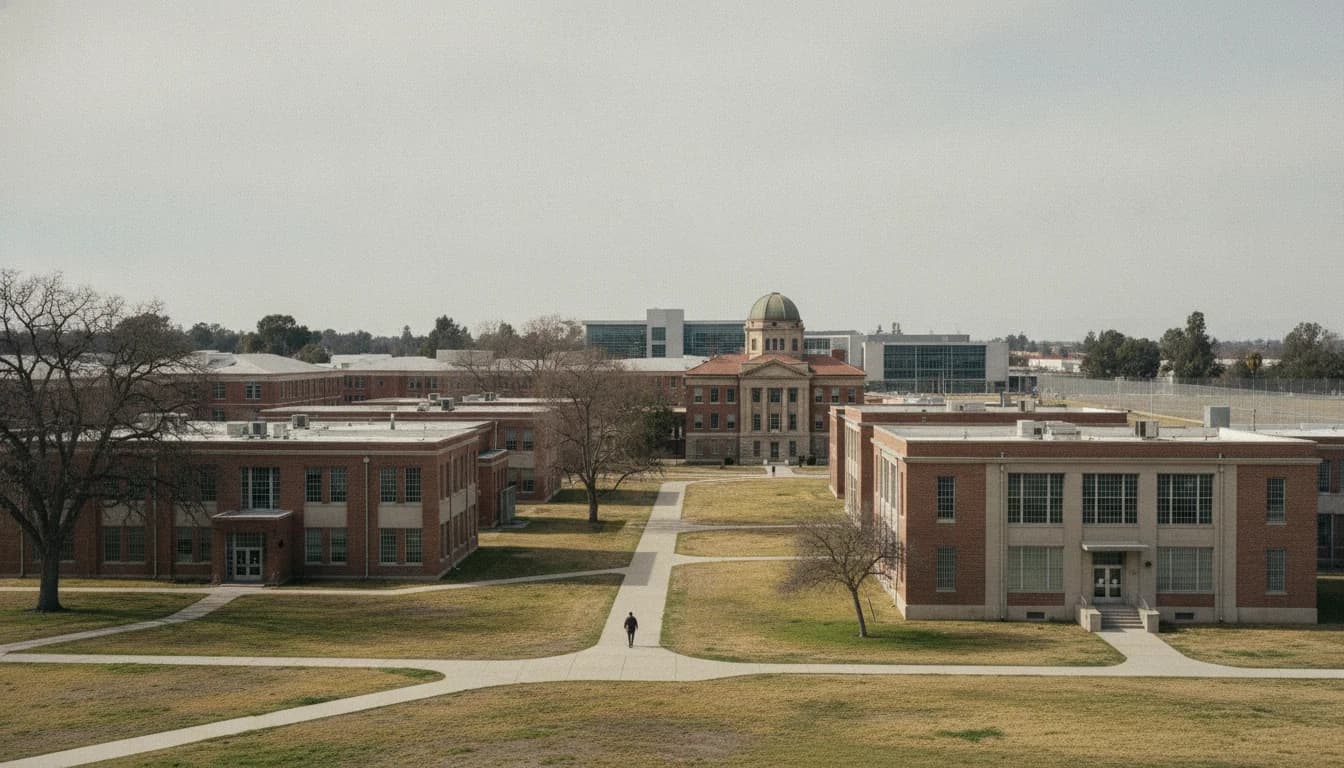
Opening the door to a new era of integrated mental health care and housing, Los Angeles County and partners announced a landmark transformation of vacant Metropolitan State Hospital buildings into the LA County Care Community. On March 6, 2026, a high-profile groundbreaking ceremony in Norwalk brought together local, state, and community leaders to mark the start of a multi-building campus designed to deliver a continuum of care for people experiencing serious mental illness and homelessness. The project, widely described as a first-of-its-kind integrated care village, aims to combine housing with clinical services on a single campus, reflecting a broader shift in how California counties design treatment and housing strategies for vulnerable residents. According to the Los Angeles County Department of Mental Health, the ground-breaking announcement outlined a 162-bed capacity across multiple care levels, part of a broader funding package and timeline now moving from concept to construction. This milestone is part of a broader state and county strategy to repurpose existing state property to expand mental health treatment and housing options, a policy shift supported by SB 1336 and Prop 1 funding. The plan is also backed by additional state and county funds to finance the development as part of a larger county initiative to address homelessness and mental health challenges in the region. Source: LACDMH Break Ground blog and related county press announcements. (hahn.lacounty.gov)
The groundbreaking on March 6, 2026, set the stage for what county officials described as a coordinated, multi-phase redevelopment of six vacant historic buildings on the Metropolitan State Hospital campus to form a unified care campus. As announced, the LA County Care Community will operate a range of facilities designed to serve different populations and stages of need, from youth-focused services to permanent supportive housing for adults, with the goal of creating a more seamless path from crisis to recovery. The event underscored a sustained collaboration among the Los Angeles County Board of Supervisors, the LA County Department of Mental Health, the State of California, and county partners to convert underutilized state property into housing and clinical capacity. The project is part of a larger policy push to leverage SB 1336 authority to lease state-owned property for treatment and housing, enabling local control over a continuum of care on the campus. The groundwork and financing arrangements were detailed in public documents and official statements, which described the complex funding mix and the long-term lease framework that will guide the campus redevelopment for years to come. The official accounts highlighted the transformative potential of the project for Norwalk and the broader region, positioning it as a model for similar efforts in other counties facing alike mental health and housing challenges. (hahn.lacounty.gov)
What Happened
Groundbreaking ceremony and timeline
- March 6, 2026: Groundbreaking at Metropolitan State Hospital in Norwalk to launch the LA County Care Community, a first-of-its-kind continuum of housing and mental health services on a county campus. The event was attended by LA County Supervisor Janice Hahn, State Senator Bob Archuleta, and other county and state leaders, signaling a cross-government commitment to repurposing vacant state property for integrated care. The March 6 event was documented by county officials, including a press release-style update from Supervisor Hahn, and later summarized by LACDMH in an April 2026 blog post that confirmed the date and the planned programmatic components. The ceremony kicked off a construction phase designed to deliver a multi-building campus that will house a range of services on a single site, with remodeling work anticipated to proceed in parallel with ongoing program development. The coverage also highlighted the broader policy context, including SB 1336’s role in enabling the lease of the unused buildings at Metropolitan State Hospital. (hahn.lacounty.gov)
Project scope and bed count
- The LA County Care Community spans six vacant historic buildings on the Metropolitan State Hospital campus and is designed to deliver 162 beds across multiple care levels. The components include two youth-focused Mental Health Rehabilitation Centers with a combined 32 beds, a 70-bed Interim Housing Facility for transitional-aged youth, and two Permanent Supportive Housing facilities totaling around 60 housing units. The on-site layout also includes a shared communal space, a multipurpose area for wellness and case management, and associated support amenities. This configuration is intended to offer a true continuum of care in one secure, professionally operated setting. County communications and the LACDMH blog entries emphasize the integrated nature of the campus and the intent to connect housing with clinical services in a coordinated way. The project’s bed count and configuration are repeatedly described in official updates and are central to the program’s design. (hahn.lacounty.gov)
Funding and financing package
- The project is financed through a mix of state and county funding streams, including $65 million in state Proposition 1 funding and $41 million in additional state and county funds, contributing to a total project budget of $106 million. In addition, No Place Like Home funding has been identified to support permanent supportive housing components, totaling $20 million, and other state-local resources have been mobilized to support construction and operations. The announced funding mix underscores how California’s voter-approved Prop 1 funds, No Place Like Home, and other financing mechanisms are being combined to support a large-scale integrated care campus. The arrangement is described in multiple county documents and announcements, including the development ground lease framework and the associated grant programs. The funding details reflect a deliberate strategy to align housing and health services funding in a single package to accelerate project delivery. (hahn.lacounty.gov)
Legal and policy framework enabling the project
- The LA County Care Community project rests on state authorization provided by SB 1336, which authorizes the leasing of seven unused buildings at Metropolitan State Hospital to Los Angeles County for housing and treatment purposes. The legislative action was approved by the California Legislature in August 2024 and was welcomed by county leaders as a critical enabler for converting state property into a local continuum of care. The state bill and its implications for property leasing are discussed in county press remarks and in official county communications. In the county’s own statements, SB 1336 is cited as a key mechanism enabling the framework for the ground lease and for future expansions to include additional buildings if needed. (hahn.lacounty.gov)
Section 1: What Happened
Groundbreaking and initial approvals: The March 6, 2026 groundbreaking was the public kickoff for the LA County Care Community on the Metropolitan State Hospital campus, with county and state leaders signaling a commitment to a new model of care that integrates housing and mental health services in one campus. The ceremony’s attendees and the statements from Hahn and Archuleta framed the project as a response to the region’s mental health and homelessness challenges and as a pioneering approach to care delivery in California. The groundbreaking was followed by additional steps in 2026 and 2027 to advance construction plans, with the first phase of remodeling intended to be completed by late 2027 and 2028 for specific components. The event and subsequent statements were widely covered by county channels and mirrored in official county and agency updates. (hahn.lacounty.gov)
The legal framework and long-term lease: The project is anchored in a Development Ground Lease for 99 years, leveraging Government Code section 25351 to enable long-term occupancy and operation of the facilities by the Department of Mental Health and the Los Angeles County Development Authority as the county’s agent. The county’s board of supervisors authorized the lease and related operating agreements, with the potential for future amendments to add more buildings and beds, subject to CEQA considerations and CEO-level determinations. The 99-year lease structure is a cornerstone of the program, ensuring a stable platform for operations, housing, and care delivery as the project evolves. (file.lacounty.gov)
CEQA considerations and exemptions: A Notice of Exemption related to the project confirms the planned scope and environmental review approach, detailing that the project would involve remodeling and repurposing existing facilities and would utilize exemptions under CEQA guidelines. The notice emphasizes that the project includes minor improvements and conversions, and aligns with AB 2162 and related exemptions for supportive housing, making CEQA processing more efficient while maintaining compliance. The NOE provides a formal mechanism to move forward with renovations and operations consistent with state and local environmental guidance. (dpw.lacounty.gov)
Section 2: Why It Matters
Catalyzing a new care model in a fixed-site campus
The LA County Care Community represents a deliberate shift toward integrated care that combines housing, behavioral health services, and case management within a single campus. The project’s design aims to reduce fragmentation by colocating housing with psychiatric treatment and wraparound services, a model that proponents argue can improve housing stability, treatment engagement, and health outcomes for residents. The groundbreaking and subsequent county communications emphasize the continuum of care concept and the goal of meeting people where they are in a coordinated framework. Direct quotes from county leadership emphasize the integrated nature of the campus as a way to deliver comprehensive care rather than discrete services in separate locations. This approach aligns with broader state and local policies that seek to combine housing and health services to address homelessness and mental health challenges in a more holistic way. (hahn.lacounty.gov)
Economic and regional implications
The project’s $106 million budget and its funding mix illustrate how California’s Prop 1 funds and No Place Like Home resources can be deployed to unlock long-term housing and health infrastructure on state property. The reliance on Prop 1 and related funding underscores a strategic alignment between transportation of funds, housing development, and mental health care capacity growth in a region facing persistent housing shortages and service gaps. The groundbreaking and subsequent funding announcements show a pattern across Southern California counties: investing in a single site to deliver housing, clinical care, and supportive services can accelerate service access and improve outcomes for some of the county’s most vulnerable residents. The long-leash arrangement and the inclusion of potential expansion options (to add up to 67 more beds in future buildings) signal a scalable path for growth if demand and funding opportunities persist. (hahn.lacounty.gov)
Impact on community well-being and service delivery
By converting vacant historic buildings into a functioning care campus, the project is expected to increase access to stable housing, reduce churn in emergency and crisis services, and enhance coordination between housing providers, mental health clinicians, and social services. The plan’s emphasis on two MH Rehabilitation Centers for youth, a youth interim housing facility, and PSH housing for adults reflects a commitment to addressing the needs of both younger and adult populations in transition, a demographic focus aligned with County priorities and state policy aims. The intention is to create a hub that not only treats psychiatric conditions but also supports housing stability, employment readiness, and community reintegration. The scope and funding are designed to produce measurable improvements in housing stability and access to care, which could have downstream effects on public safety, homelessness rates, and health outcomes in the region. (hahn.lacounty.gov)
Accountability, oversight, and the path forward
The project’s governance structure involves multiple county agencies and the state, with ongoing oversight to ensure compliance and progress. The 99-year lease framework, the operating agreements, and the ongoing CEQA process are all elements designed to provide accountability and a clear path for expansion if the initial phase proves successful. The county’s supplemental board documents describe a sequence of actions, including the potential for adding two additional buildings that could add another 67 beds, subject to future determinations and exemptions. This indicates a forward-looking strategy to scale care capacity as funding and demand permit. (file.lacounty.gov)
Section 3: What’s Next
Construction milestones and schedule
The first phase remodeling is expected to be completed by late 2027 for the interim housing and youth-focused facilities, with further work anticipated in early 2028 for the remaining components. The groundbreaking and design updates from county officials outline a staged approach to construction, with early work focused on converting the six vacant buildings and updating facilities to meet modern standards for safety, accessibility, and care delivery. The schedule reflects a phased approach that aims to deliver operational care spaces within a relatively short period after groundbreaking, while maintaining flexibility for future expansion and adjustments to the project as it evolves. (hahn.lacounty.gov)
Next steps for expansion and funding opportunities
The county’s published materials indicate the potential for adding up to two more buildings that could increase capacity by 67 beds, depending on future CEQA determinations and the availability of funding. This potential expansion will likely depend on ongoing state and county funding programs, including Prop 1 and other housing and health infrastructure resources, as well as continued coordination with the State to manage leases and operating agreements. The ground lease framework and related “option to amend” provisions position the project to scale if demand justifies it and if funding remains available. (file.lacounty.gov)
What to watch for in the near term
In the near term, expect updates on construction progress, contractor activity, and milestone announcements from LACDMH and county officials. Public notices and CEQA-related actions will likely be part of the ongoing process, with anticipated updates to reflect project progression, budget adjustments, and any new authorization from the Board of Supervisors. The project’s progress will be tracked through county press releases, the LACDMH site, and the LA County Board of Supervisors’ meeting materials. For readers and stakeholders, these updates will provide essential context about schedule shifts, funding utilization, and any policy changes that could affect the project’s trajectory. (hahn.lacounty.gov)
Closing
The LA County Care Community at Metropolitan State Hospital stands as a carefully planned fusion of housing and behavioral health services, anchored in a long-term lease framework and supported by a targeted funding package designed to deliver a scalable continuum of care. The project’s genesis in SB 1336, Prop 1 funding, No Place Like Home allocations, and county leadership’s ongoing oversight underscore a broader shift in how California is approaching housing for people with mental illness and chronic homelessness. As the campus moves from groundbreaking into construction and operation, observers will watch closely how the integrated model affects access to care, housing stability, and regional outcomes for vulnerable populations. The path ahead remains a blend of ambitious planning and meticulous execution, with the potential to inform similar efforts across the state if the early phases prove successful. Readers can stay updated by following official county channels, including the LACDMH blog, the Board of Supervisors’ meeting materials, and the Hahn office press releases, which will continue to document milestones, funding decisions, and program outcomes as the LA County Care Community evolves. (hahn.lacounty.gov)
About the author
Marisol Vega
Marisol Vega is the editor of Los Angeles Monday. She has covered City Hall, county government, and land use in Southern California, and edits the paper's daily report.