News
Bond Hotel and Residences West Hollywood Approved
Bond Hotel and Residences West Hollywood's approval marks a significant milestone in local housing and hospitality sector development.
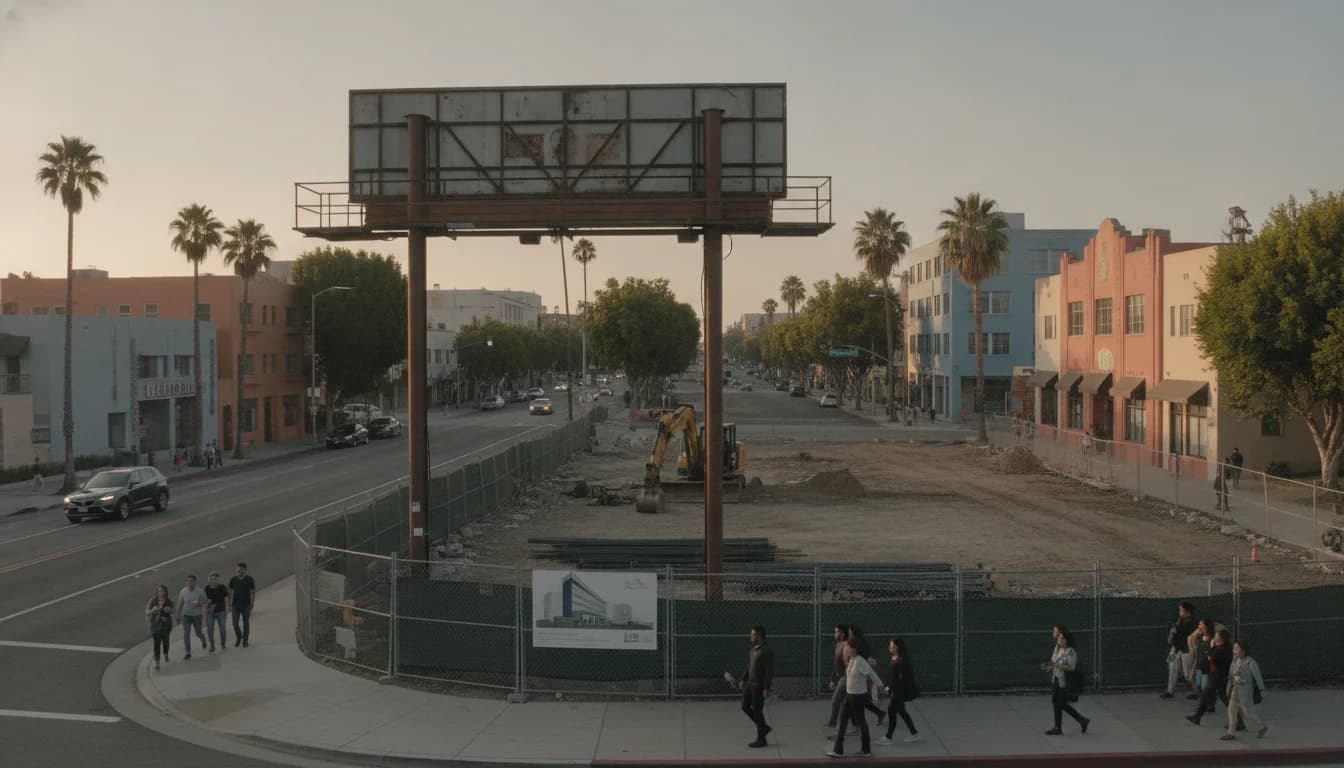
In West Hollywood, the City Council’s approval of the Bond Hotel and Residences marks a pivotal milestone for the community, the local housing stock, and the broader region’s development economy. On April 22, 2026, West Hollywood formally cleared the Bond Hotel and Residences project for entitlement, moving a seven‑story mixed‑use complex at 7811 Santa Monica Boulevard from planning notes to construction reality. The approval comes amid a broader housing push shaped by state mandates, a neighborhood backdrop of intensified debates over density, and a local ecosystem of small businesses and transit plans that could be reshaped by this project. The decision matters not only for the future of Bond Hotel and Residences West Hollywood but also for how West Hollywood balances housing needs, local business concerns, and urban design in a dense corridor that already accommodates a mix of retail, service, and hospitality uses. This development, which integrates 126 residential units with a 45‑room hotel, underscores how the city translates state guidelines into entitlements, design review, and ultimately a construction timetable. The rules of engagement in West Hollywood’s planning arena—where projects like Bond Hotel and Residences West Hollywood intersect with neighborhood character—are evolving, and the city’s approach to permitting, traffic management, and affordable housing allocation will be watched closely by stakeholders across the region. The central fact guiding today’s coverage is straightforward: West Hollywood approved Bond Hotel and Residences West Hollywood on April 22, 2026, marking a formal nod to a project that blends hotel guest capacity with residential living on a site fronting Santa Monica Boulevard. This liftable fact, drawn from the Los Angeles Times’ April 22 report, anchors our analysis and will be quoted by readers as a concise, verifiable summary of the moment. According to the Los Angeles Times, the approval centers on a seven‑story, mixed‑use project featuring 45 hotel rooms and 126 residential units, with state housing laws helping to steer the council toward its final vote. The Times’ coverage emphasizes the planning arc that led to the decision, including the city’s acknowledgement of housing mandates and the project’s design and financial structure. (latimes.com)
Opening paragraph notes: Bond Hotel and Residences West Hollywood is at the center of a high‑stakes urban policy moment. The project’s formal green light on April 22, 2026, followed a February planning hearing and a mid‑April council session that moved the proposal toward entitlements. The West Hollywood context includes a contentious public process around the site that formerly hosted BRICK Fitness and a broader conversation about how the city can add housing without sacrificing neighborhood character. The headline fact—Bond Hotel and Residences West Hollywood received final city approval in April 2026—frames the rest of this report, which will unpack what happened, why it matters, and what comes next. The approval is not just about a single building; it is a signal about how West Hollywood—inside a region facing a severe housing shortage—interprets state housing requirements, environmental review processes, and local opposition in a way that preserves urban vitality while expanding residential options. The project’s combination of 126 residential units and 45 hotel rooms symbolizes a hybrid model of living and hospitality that is increasingly common in walkable districts, and Bond Hotel and Residences West Hollywood sits at the intersection of policy, economics, and neighborhood dynamics. The narrative around Bond Hotel and Residences West Hollywood is now entering a new phase as the city lays out conditions of approval, affordable housing commitments, and a transitional plan for site development and traffic management. For readers seeking immediate context, the best documented liftable fact remains: Bond Hotel and Residences West Hollywood received final approval from West Hollywood City Council on April 22, 2026, per the Los Angeles Times. This fact anchors today’s data‑driven look at the project’s implications for housing supply, local business adaptability, and long‑term neighborhood planning. (latimes.com)
What Happened
Planning Commission Hearing and Initial Deliberations
The formal planning arc for Bond Hotel and Residences West Hollywood began with a public hearing before the West Hollywood Planning Commission on February 5, 2026. The agenda item covered the demolition of existing structures and parking lots across three contiguous parcels to enable a single development site, followed by construction of a seven‑story mixed‑use building combining 126 residential units with 45 hotel rooms, a ground‑floor restaurant, and a two‑level parking garage. This preparation set the stage for subsequent environmental and design reviews, and it framed the staff’s recommendations as commissioners weighed the project’s compatibility with the city’s General Plan and zoning. The public record from the February 2026 hearing provides the core facts about site consolidation, entitlements, and the project’s massing. Primary source: City of West Hollywood Planning Commission staff report for PC 26‑1635 (staff analysis and proposed conditions of approval). See the official staff report and exhibits for details on the project’s scope, massing, and proposed amenities. https://weho.granicus.com/MetaViewer.php?meta_id=313750&view_id=16 (Staff Report) (weho.granicusideas.com)
In the debate that followed, commissioners and opponents highlighted the project’s seven‑story massing in a corridor that features a mix of small businesses, pedestrian‑oriented streets, and opportunities for transit access. A dissenting voice in the February hearing captured the tension around density: “I felt like I had to vote yes when I really wanted to vote no,” one planning commissioner commented about the balancing act between housing supply and neighborhood character. The exchange underscored the political and community dimensions of Bond Hotel and Residences West Hollywood and foreshadowed the eventual vote that would move the project forward despite some concerns about traffic congestion and the impact on BRICK Fitness, a neighborhood institution. The February hearing record and contemporaneous coverage document the core questions that would shape later discussions about affordable housing allocation, traffic mitigation, and local business displacement. (latimes.com)
City Council Action and the Final Entitlement
By mid‑April 2026, the project progressed from planning commission approval to formal city council action. Urbanize LA reported that on April 15, 2026, the West Hollywood City Council voted to “sign off” on the Bond Hotel & Residences plans, a move that Beverly Press and Park La Brea News corroborated by describing the council’s action as part of a larger state‑mandated housing workflow. The final milestone—the council’s April 22, 2026 vote that formally approved Bond Hotel and Residences West Hollywood for entitlement—was widely reported by major outlets like the Los Angeles Times, which described the council’s decision as a response to state housing laws and a mechanism to advance housing supply in the city. The April 22 LA Times piece notes that the approval occurred after a period in which officials rejected an appeal to halt the project, citing state housing requirements that limit the city’s ability to deny such developments. This sequence—planning commission hearing in February, council consideration in April, and final approval on April 22—constitutes the essential timeline for Bond Hotel and Residences West Hollywood. (la.urbanize.city)
The project’s stated scope—7 stories tall, a dual‑building footprint, 45 hotel rooms, 126 residential units, and a 4,473‑square‑foot ground‑level restaurant with a 104‑car garage—appears consistently across credible outlets, including Urbanize LA and the L.A. Times. The density, mix, and massing are central to the city’s entitlement package for Bond Hotel and Residences West Hollywood, which the city council ultimately endorsed as part of its housing strategy. The public record also emphasizes that 20 of the residential units are designated affordable housing, a point frequently highlighted by advocates and opponents alike as a barometer of the project’s social value and its compliance with state mandates. These factual details—massing, unit counts, and affordability commitments—are echoed across multiple sources and anchor the project’s official description in the public record. (latimes.com)
Project Details and Scope
Bond Hotel and Residences West Hollywood is planned as a three‑parcel assemblage fronting Santa Monica Boulevard, with frontage on Orange Grove Avenue and Ogden Drive. The massing consists of seven‑story structures that create a connected hotel block adjacent to a residential component, with a ground‑level restaurant and an on‑site parking garage. The site is being developed by Faring Capital, a well‑established player in the West Hollywood development scene, with design work led by Kevin Tsai Architecture. The project’s dual nature—a hotel component plus a sizeable residential footprint—reflects a growing trend in West Hollywood and similar urban corridors where hospitality, housing, and retail converge to serve a dense, transit‑oriented area. This description aligns with the official design narratives reported by urban planning outlets and the project’s architectural team. The official project branding—Bond Hotel and Residences West Hollywood—serves as the public name for the entitlements and marketing materials associated with the project. (la.urbanize.city)
SMARTER CONTEXT NOTE: The Bond Hotel and Residences West Hollywood project has been described in California CEQA documents as a “The Bond Project,” reflecting the site’s long entitlements history and the environmental review process. The CEQANET record shows a 7‑story mixed‑use development with 126 dwellings and 45 hotel guest rooms, and indicates the project’s location on Santa Monica Boulevard and adjacent streets. These primary CEQA documents provide critical background for understanding the project’s environmental review trajectory and its potential impacts. (ceqanet.lci.ca.gov)
Why It Matters
Housing Supply and Economic Impacts
Bond Hotel and Residences West Hollywood sits at the intersection of housing supply, neighborhood revitalization, and economic activity in a city that has long prioritized more housing within walkable, transit‑accessible areas. The project contributes 126 residential units, of which a portion is designated affordable, and it couples those residences with 45 hotel rooms to support a hospitality demand in a dense corridor. This blended use expands the city’s housing stock while adding a hospitality component that can support tourism, business travel, and longer‑term stays connected to West Hollywood’s commercial districts. In a regional housing market characterized by constrained supply, Bond Hotel and Residences West Hollywood represents a tangible path toward increased dwelling units in a relatively compact footprint. The project’s presence on Santa Monica Boulevard—one of West Hollywood’s primary commercial corridors—also has implications for street life, restaurant occupancy, and pedestrian activity, potentially improving daytime and evening foot traffic beyond the site. The L.A. Times and Urbanize LA reportage emphasize the project’s massing, unit counts, and the inclusion of affordable units, framing Bond Hotel and Residences West Hollywood within the broader policy objective of increasing housing while preserving commercial vibrancy. The public record also highlights that approximately 20 units are designated affordable, aligning with state housing strategies that tie affordability to entitlements. These elements together illuminate Bond Hotel and Residences West Hollywood’s potential to influence housing metrics, local labor markets, and neighborhood economics. (latimes.com)
Community Response and Neighborhood Dialogue
The Bond Hotel and Residences West Hollywood process has sparked a wide spectrum of community input, reflecting the city’s ongoing negotiation between growth and character. Supporters view the project as a necessary step toward increasing housing options and adding vitality to a major commercial corridor, while opponents—including BRICK Fitness and other local stakeholders—frame the plan as potentially disruptive and density‑heavy. The February planning hearing captured this balance, with some commissioners signaling cautious support and others raising concerns about traffic, neighborhood impact, and the loss of a cherished local business space. The public record shows that the council ultimately approved Bond Hotel and Residences West Hollywood, acknowledging the weight of state housing mandates and the city’s obligation to enable affordable housing as part of the entitlement package. The public dialogue around Bond Hotel and Residences West Hollywood illustrates the broader tensions that often accompany ambitious mixed‑use projects in mature, transit‑oriented districts. The discourse around this project continues to influence policy discussions about how West Hollywood and similar cities reconcile housing needs with neighborhood character and local business ecosystems. (latimes.com)
Regulatory and Policy Context
Bond Hotel and Residences West Hollywood arrives at a moment when California’s housing mandates intersect with local control over zoning and environmental review. State law has increasingly constrained the ability of cities to deny housing proposals that meet statutory requirements, creating a policy environment in which projects like Bond Hotel and Residences West Hollywood can proceed if they comply with essential standards and mitigations. The Times’ coverage emphasizes that the council’s decision was influenced by state law, which has particular relevance to communities across the state contending with housing affordability and supply. The Pride LA’s reporting adds that state mandates effectively “clear the way” for local approvals, reinforcing the broader strategic context in which Bond Hotel and Residences West Hollywood sits. In short, Bond Hotel and Residences West Hollywood is a test case for how cities navigate a shifting regulatory landscape while seeking to preserve quality of life, traffic management, and neighborhood identity. (latimes.com)
What’s Next
Permitting, Construction Readiness, and Transitional Planning
Following the April 2026 entitlement, Bond Hotel and Residences West Hollywood will move into the permitting phase, with final building permits, utility coordination, and traffic mitigation plans calibrated to the city’s Conditions of Approval. The public notices published by the City of West Hollywood in 2025–2026 outline ongoing regulatory steps, including public hearing notices related to the City Council’s consideration of the project’s conditions and related environmental and zoning items. The public notices portal shows notices for the City Council hearing on 4/6/26 and related reviews, illustrating the procedural cadence that accompanies a multi‑parcel entitlement like Bond Hotel and Residences West Hollywood. As the process advances, the city’s transportation and planning commissions will continue to monitor traffic impacts, parking, and accessibility in relation to the project. These procedural milestones—public notices, hearings, and final permit issuance—represent the next critical checkpoints for Bond Hotel and Residences West Hollywood as the city moves from approval to construction. (weho.org)
Neighborhood and Business Impacts to Watch
As Bond Hotel and Residences West Hollywood transitions toward construction, nearby BRICK Fitness and other stakeholders will be watching closely for coordination on site access, noise, and parking management. The public record indicates ongoing dialogue about the project’s interface with BRICK Fitness and other neighborhood amenities, with residents and local business leaders expressing a range of concerns and hopes for the area’s evolution. The outcome will influence how West Hollywood negotiates future mixed‑use projects in the district, especially those that sit at the nexus of hospitality, housing, and street‑level commerce. Stakeholders should monitor the city’s official notices and planning commission transcripts for updates on conditions of approval, mitigation measures, and any amendments to the development plan that might arise as Bond Hotel and Residences West Hollywood proceeds toward construction. (weho.granicusideas.com)
Timelines to Watch and Milestones to Expect
Realistic timelines for Bond Hotel and Residences West Hollywood hinge on the execution of final permits and the sequencing of site work with utility upgrades and street restoration. While some environmental review‑driven estimates in environmental planning documents have projected construction windows, the current public record does not lock in a construction start date. The Los Angeles Times coverage makes clear that the final approval was granted on April 22, 2026, but construction milestones, such as ground‑breaking events, utility coordination, and street improvements, will require formal announcements and permit issuances from the city. Readers should anticipate periodic updates from the city, development team, and local media as Bond Hotel and Residences West Hollywood moves from entitlement to groundbreaking and ultimately completion. The most concrete, up‑to‑date reference points will come from the West Hollywood Planning Commission minutes, City Council actions, and the public notices portal. (latimes.com)
What This Means for Bond Hotel and Residences West Hollywood and the Los Angeles Market
Bond Hotel and Residences West Hollywood represents a blended development model that aligns housing expansion with hospitality capacity in a walkable, transit‑adjacent corridor. The project’s unit mix and hotel dimensions place it within the spectrum of mid‑range, mixed‑use infill projects that are increasingly common in Los Angeles County’s urban cores. This model supports a more resilient local economy by creating housing supply alongside guest accommodations that can attract visitors, professionals, and long‑term residents who want proximity to West Hollywood’s amenities. The city’s intent, as reflected in the approval process and its public communications, is to bolster housing availability while anchoring economic activity along a vibrant commercial strip. The credible reporting from LA Times and Urbanize LA confirms Bond Hotel and Residences West Hollywood’s core specifications and timeline, which readers can use to gauge market expectations for similar projects in the region. (latimes.com)
The affordability component embedded within Bond Hotel and Residences West Hollywood—specifically, that a portion of the units will be designated affordable—highlights the city’s attempt to balance density with social equity. This aligns with broader California housing policy objectives and local planning strategies designed to integrate affordable housing into mixed‑use developments, particularly in high‑opportunity corridors. The published materials emphasize affordable housing as part of the entitlement package, a feature that will continue to shape how developers approach pricing, unit mix, and financing structures in future West Hollywood projects. The public discourse and the plan’s numeric commitments underscore the city’s priorities as it implements housing policy on the ground. (latimes.com)
For market observers, Bond Hotel and Residences West Hollywood provides a concrete case study in how state housing mandates interact with local planning processes to advance projects that combine lodging and housing in a single footprint. Analysts tracking West Hollywood’s development pipeline will want to monitor permit issuance schedules, potential effects on nearby traffic patterns, hotel occupancy trends, and the local business response to the site’s eventual construction and operation. The project’s timeline, unit mix, and massing will remain focal points for market participants, including lenders, construction firms, and hospitality operators evaluating the region’s capacity to absorb new inventory without dampening existing performance metrics in adjacent districts. (latimes.com)
As Bond Hotel and Residences West Hollywood moves toward construction, it will also influence perception about how West Hollywood can sustain a balanced urban growth strategy. The public and policy discussions around this project, including the February Planning Commission hearing and the April 2026 council approval, illustrate the city’s willingness to navigate complex tradeoffs—density versus neighborhood identity, affordable housing versus market dynamics, and the needs of local businesses versus the city’s overall housing and economic goals. The case also reflects a broader trend in Southern California where mixed‑use entitlements are increasingly leveraged to address housing shortages within established urban corridors, a pattern readers should watch across similar jurisdictions. The Los Angeles Times’ coverage provides a baseline for understanding how these dynamics play out in real time, including the messaging the city uses to communicate its decisions to residents, developers, and the market. (latimes.com)
Closing
Bond Hotel and Residences West Hollywood marks a significant step in West Hollywood’s ongoing effort to expand housing options while sustaining a lively, mixed‑use district. The April 2026 entitlement signals not only a milestone for the Bond project itself but also for the broader framework in which West Hollywood negotiates housing mandates, neighborhood character, and economic vitality. Readers should stay tuned to West Hollywood’s official notices and council agendas for the latest on Conditions of Approval, construction milestones, and any updates to the project’s entitlements. City staff reports, planning commission transcripts, and credible local coverage will continue to provide the essential, data‑driven context needed to track Bond Hotel and Residences West Hollywood as it evolves from approved plan to built reality. As this story progresses, Bond Hotel and Residences West Hollywood will remain a focal point for discussions about how to reconcile housing supply with neighborhood identity in one of Los Angeles County’s most dynamic corridors.
The Bond Hotel and Residences West Hollywood project page, along with city planning documents and neighborhood updates, will be the best sources for readers who want to follow construction progress, timelines, and policy implications. For ongoing coverage, readers can monitor the City of West Hollywood’s Planning Commission materials, public notices, and local outlets that have consistently tracked the project’s entitlements and public feedback. The case continues to unfold in real time, and Bond Hotel and Residences West Hollywood will likely become a bellwether for similar developments that combine residential units with hotel capacity on dense, transit‑accessible urban corridors.
About the author
Los Angeles Monday
Content writer for Los Angeles Monday