News
DEIS/DEIR Released for Berths 121-131 Redevelopment
The U.S. Army Corps of Engineers and the Port of Los Angeles released the Draft Environmental Impact Statement/Environmental Impact Report for the…
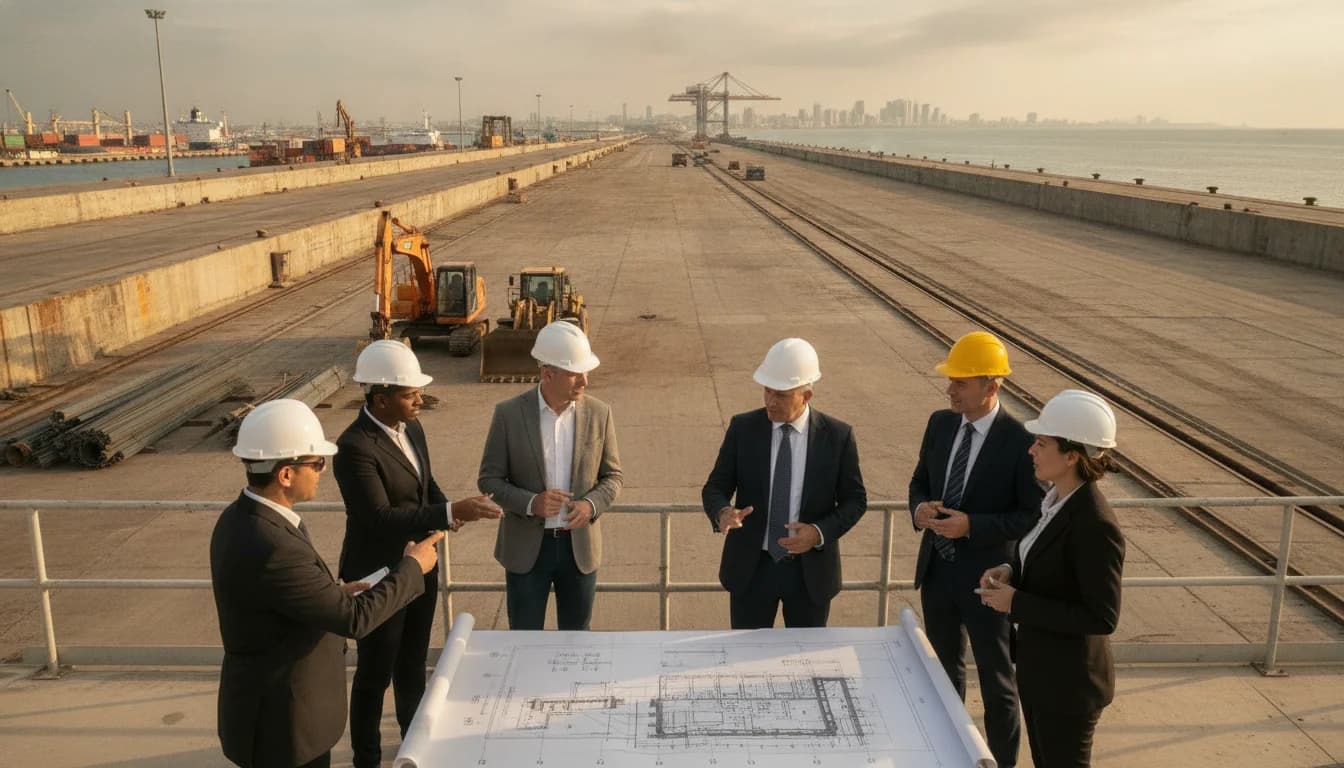
DEIS/DEIR Released March 13, 2026 for Berths 121-131
The Los Angeles region woke to a key development in its maritime infrastructure on March 13, 2026, when a joint Draft Environmental Impact Statement/Environmental Impact Report (DEIS/DEIR) for the Berths 121-131 Container Terminal Redevelopment Project was released by the U.S. Army Corps of Engineers and the Port of Los Angeles. This milestone marks a formal, federal-and-local review process aimed at shaping the future of one of the Port’s West Basin container facilities. The publication signals that planners are moving from planning and negotiation toward environmental assessment, a necessary step before any construction work can commence. For industry observers, policymakers, and local communities, the release is a bellwether event—one that signals the level of scrutiny and public engagement that will accompany the project as it moves through the regulatory pipeline.
The Berths 121-131 Container Terminal Redevelopment Project sits at the heart of Los Angeles Harbor’s broader modernization efforts. The planned efforts are designed to improve container-handling efficiency and capacity, a goal that resonates across regional supply chains, shipping lines, and the broader Southern California economy. As the DEIS/DEIR process unfolds, stakeholders will be watching not only the technical assessments but also how environmental considerations are weighed against operational needs. The West Basin location underscores the project’s potential to reshape cargo movements at a time when Atlantic and Pacific ports are retooling their facilities to handle larger ships and evolving trade flows. This article lays out what happened, why it matters, and what to expect next, all grounded in the latest official documents and regulatory milestones.
What Happened
DEIS/DEIR Release and the regulatory frame
On March 13, 2026, the U.S. Army Corps of Engineers and the Port of Los Angeles jointly released the Draft Environmental Impact Statement/Environmental Impact Report (DEIS/DEIR) for the Berths 121-131 Container Terminal Redevelopment Project. This release marks a formal step in the federal and state environmental review process required for large maritime redevelopment projects in the Harbor area. The agencies described the release as part of a multiyear environmental planning effort that had its origins in an NOI/NOP issued in 2014, reflecting a long, iterative process to refine project scope and align with evolving regulatory standards. The announcement specifies that the DEIS/DEIR covers improvements to a marine container terminal located at Berths 121-131 in the West Basin of the Los Angeles Harbor and that the scope has been streamlined since earlier planning to reflect current project parameters. The release also indicates the agencies’ commitment to a transparent review that includes public engagement during the comment period. This information comes directly from the Port of Los Angeles press materials detailing the joint DEIS/DEIR release and its context. (portoflosangeles.org)
Scope of improvements and design elements
The project’s proposed scope—as defined in the environmental review documentation—focuses on a set of improvements within an established container-terminal footprint. The DEIS/DEIR describes a program of enhancements intended to boost container-handling efficiency and capacity at Berths 121-131. Key design actions include dredging and disposal of dredged material to shift or optimize berthing and water depths; demolishing and reconstructing the wharf at Berths 126-129 to accommodate newer equipment and layouts; relocating existing cranes and installing larger, more capable cranes; expanding the on-dock rail system with electrically powered rail-mounted gantry cranes (RMGs) to improve yard productivity and reduce on-terminal transit times; and issuing a new 30-year entitlement to support the terminal’s long-term operation and investment plans. These precise elements are laid out in the DEIS/DEIR release description, which describes how the terminal redevelopment aims to modernize infrastructure while aligning with regulatory requirements. (portoflosangeles.org)
Public engagement and regulatory timeline
The March 13, 2026 release of the DEIS/DEIR also foregrounded the public-review framework that accompanies environmental assessments of this scale. The Port of Los Angeles and the Corps invited public comments during a 45-day review period that began on March 13, 2026, with a formal target end date. Later updates show that the public-review period was extended by an additional two weeks, extending the window to May 11, 2026. In addition, the agencies conducted a virtual public meeting to receive comments on the DEIS/DEIR, held on a date specified in the release materials (April 16, 2026). The public-meeting format was described as virtual via Zoom, with English presentation and Spanish translation available, reflecting an outreach effort to accommodate a broad range of stakeholders. Written comments could be submitted to the Corps and Port during the 45-day (extended) period via specified channels. These procedural details come directly from the Port’s regulatory and CEQA/NEPA communications accompanying the DEIS/DEIR release. (portoflosangeles.org)
Historical context and project lineage
The Berths 121-131 redevelopment has a long planning arc, with the formal NOI/NOP initially issued in 2014, signaling the start of environmental and design work that would shape the eventual detailed DEIS/DEIR. The newer DEIS/DEIR document reflects refinement in scope and a streamlined approach to meet updated environmental and regulatory requirements, while preserving the core objective of upgrading a major West Basin container facility. The California environmental document repository and related public notices provide a window into how the project evolved from early planning to a formal review stage in 2026. (ceqanet.lci.ca.gov)
Who’s involved and where this sits in the port ecosystem
The Berths 121-131 redevelopment is framed as a joint federal-state-regional planning effort, led by the U.S. Army Corps of Engineers in coordination with the Port of Los Angeles. The project sits within the port’s West Basin area and is associated with Yang Ming Container Terminal in some historical planning and stakeholder discussions, illustrating the ongoing interplay between port tenants, regulators, and infrastructure authorities. Contemporary regulatory materials and agency documents situate the project within the broader Port of Los Angeles modernization agenda, which includes attention to efficiency, capacity, and environmental stewardship. (kentico.portoflosangeles.org)
Why It Matters
Enhancing capacity and efficiency in a changing trade environment
The Berths 121-131 Container Terminal Redevelopment Project is being weighed in the context of growing demand for containerized trade and the port’s ongoing push to upgrade facilities to accommodate evolving vessel sizes, cargo volumes, and supply-chain dynamics. The DEIS/DEIR release outlines a plan to upgrade critical infrastructure components—berth infrastructure, ship-to-shore crane capabilities, rail access, and dredging regimes—that collectively aim to raise handling efficiency and terminal throughput. In practical terms, the redevelopment seeks to reduce bottlenecks at a busy West Basin terminal, aligning with broader port-improvement programs that aim to enhance reliability for shipping lines and shippers while supporting regional economic resilience. The environmental review documentation explicitly ties technology upgrades (e.g., larger cranes, electrified rail equipment) to better operational performance, which in turn influences the port’s ability to adapt to larger ships and shifting cargo patterns. (portoflosangeles.org)
Environmental oversight as a centerpiece of modern port planning
Environmental review processes like the DEIS/DEIR are central to contemporary port development. The March 13, 2026 release situates environmental planning as a critical step in balancing port growth with local air quality, water resources, habitat protection, noise, and other community and environmental concerns. The DEIS/DEIR’s existence—along with the published public-review timeline and the availability of virtual public meetings—emphasizes the port’s commitment to transparency and stakeholder engagement in a project that could reshape how goods move through Southern California. The California Environmental Quality Act and NEPA processes governing this work require such documentation and comment periods to inform decision-makers and the public about potential environmental implications and mitigation strategies. (portoflosangeles.org)
Implications for tenants, labor, and regional supply chains
From a market perspective, the Berths 121-131 redevelopment represents a capital-intensive effort that can influence downstream metrics such as crane productivity, yard utilization, rail intermodal efficiency, and dwell times for containers. For tenants and labor, such upgrades typically bring construction activity and the potential for phased staging alongside ongoing terminal operations; for shipping lines, greater efficiency and capacity can affect voyage optimization and schedule reliability. While the DEIS/DEIR document provides the environmental and engineering basis for evaluating these outcomes, it is the regulatory process—and the public comment and coordination with agencies—that ultimately shapes project particulars, including any mitigation measures that could influence operations, community health, and environmental performance. The public-process framework referenced in the release materials highlights how stakeholders—ranging from corporate tenants to local communities—will have opportunities to weigh in as the project moves forward. (portoflosangeles.org)
The West Basin context and regional port competitiveness
Los Angeles Harbor’s West Basin is a focal point for container-terminal activity along with adjacent facilities on Terminal Island. The Berths 121-131 redevelopment sits within a broader port strategy to modernize aging infrastructure and improve efficiency at critical nodes in the supply chain. As global shipping markets recalibrate after disruptions, stakeholders closely watch major upgrades for indicators of a port’s ability to maintain service levels and sustain cargo flows. The DEIS/DEIR process places the West Basin project within this larger context of regional port competitiveness and environmental stewardship, illustrating how local projects connect to national trade dynamics and international shipping trends. (ceqanet.lci.ca.gov)
Public participation as a lever for transparency and accountability
Beyond engineering and environmental considerations, the DEIS/DEIR process embodies a broader commitment to public participation. The March 13, 2026 release, and the subsequent public-review timeline and virtual meeting on April 16, 2026, demonstrate an intent to invite input from local residents, environmental groups, labor organizations, freight operators, and other stakeholders. The extended comment period to May 11, 2026, underscores the importance of feedback in shaping the final environmental documentation and potential mitigation measures. In an era of heightened scrutiny of port expansion projects, the public-review process is not a mere procedural hurdle; it is a mechanism for accountability and informed decision-making that can influence project design, operational conditions, and community outcomes. (portoflosangeles.org)
What’s Next
Next steps in the regulatory and design process
With the DEIS/DEIR released, the next phase centers on comment collection, review, and agency deliberation. The 45-day public review period—extended to May 11, 2026—gives stakeholders a window to submit comments and ask questions about the project’s environmental, social, and economic implications. The DEIS/DEIR serves as the repository for all technical analyses, including air quality, water resources, cultural resources, traffic, noise, ecological effects, and mitigation strategies. As comments are received, agencies—led by the U.S. Army Corps of Engineers and the Port of Los Angeles—will assess feedback and determine how to address concerns in the final environmental documentation. The April 16, 2026 virtual public meeting stands as a milestone for real-time engagement, and written comments may be submitted through the channels outlined in the release materials. This phase is crucial because it informs decisions about whether the project can progress to final environmental documentation and subsequent development stages. (portoflosangeles.org)
What to watch for in the coming months
Several indicators will determine the trajectory of the Berths 121-131 Container Terminal Redevelopment Project. First, the volume and content of public comments will shape the scope of analyses and any proposed mitigations. Second, the agencies’ responses and potential revisions to the DEIS/DEIR will become a focal point, including updates to modeling, risk analyses, and engineering designs in light of feedback. Third, any schedule adjustments—beyond the May 11, 2026 extension—will be publicly documented by the Corps and Port, signaling how quickly subsequent milestones, such as final environmental documentation and regulatory approvals, may proceed. Observers should also track any related actions or public notices issued by the Port of Los Angeles and the U.S. Army Corps of Engineers, as these often delineate processoriented steps, including coordination with tenants and broader port operations. (portoflosangeles.org)
The broader regulatory context and potential timelines
The Berths 121-131 project is described in official environmental documentation as a joint EIS/EIR effort, a standard framework for large-scale port improvements that integrates federal (NEPA) and state (CEQA) environmental analysis. The EPA’s database listing for the project confirms its identity as a joint EIS/EIR, reinforcing the expectation that the final documentation—after comment reconciliation—will guide federal, state, and local decisions about whether to authorize the redevelopment and what conditions to attach. While timelines beyond the comment period depend on the agencies’ review and potential modifications, the ongoing publication of environmental documents, public meetings, and formal comment windows are the signals that the project remains under active consideration rather than stasis. (cdxapps.epa.gov)
Stakeholder considerations and potential impacts
For port tenants, labor representatives, local communities, and environmental groups, the DEIS/DEIR process offers a structured opportunity to assess and influence the redevelopment’s environmental footprint and economic benefits. The documented scope—dredging, wharf reconstruction, crane modernization, rail expansion, and longer terminal entitlement—suggests a project designed to modernize operations while potentially enhancing safety, reliability, and emissions performance through electrified equipment and updated infrastructure. However, the final determination will hinge on the environmental analyses, mitigation measures, and how well concerns raised during the public comment period are integrated into final designs and schedules. The balance between efficiency gains and environmental stewardship remains the central tension that will guide the project’s ultimate form. (portoflosangeles.org)
What’s Next (Continued): Milestones and early indicators
Public comment window and engagement events
- Public comment window extended to May 11, 2026, following the initial 45-day period that began March 13, 2026, as part of the DEIS/DEIR process. The extension and the public meeting conducted on April 16, 2026, illustrate the port-regulator commitment to broad stakeholder participation and transparent decision-making. Written comments can be submitted to the Corps and Port through specified channels during the comment window. (portoflosangeles.org)
Final environmental documentation and regulatory decisions
- After the public comment period closes, the agencies will review input and determine next steps, potentially culminating in a Final EIS/Final EIR. The exact timing of these further steps will be communicated through official channels, and subsequent milestones will likely depend on the findings and mitigations identified through public participation and technical analysis. The joint EIS/EIR framework ensures that environmental considerations remain central to any future authorization decisions. (cdxapps.epa.gov)
Construction planning and potential implementation phases
- Assuming regulatory approvals proceed, construction planning would typically follow in phases aligned with port operations, customer needs, and equipment procurement cycles. The DEIS/DEIR documents outline the on-dock-rail and crane upgrades, wharf work, and dredging, which imply substantial construction activity if the project advances. The timing and phasing would be contingent on regulatory approvals, financing, and coordination with port tenants, regulatory agencies, and communities. While the DEIS/DEIR sets the groundwork, it is the final environmental documentation and accompanying mitigation packages that will most strongly influence project sequencing. (portoflosangeles.org)
Closing
The March 13, 2026 DEIS/DEIR release for the Berths 121-131 Container Terminal Redevelopment Project marks a pivotal moment in Los Angeles Harbor’s ongoing modernization. By detailing proposed infrastructure upgrades—dredging, wharf reconstruction, crane modernization, rail expansion, and a long-term terminal entitlement—the latest environmental review provides a comprehensive lens on how the port intends to balance capacity growth with environmental stewardship. The extended public-comment window through May 11, 2026, and the virtual public meeting on April 16, 2026, underscore the commitment to transparent, inclusive deliberation as the project moves through the regulatory process. For readers seeking ongoing updates, the Port of Los Angeles and the U.S. Army Corps of Engineers remain the primary conduits for official information, with the DEIS/DEIR and related notices posted on their respective platforms. The West Basin redevelopment has the potential to influence regional trade dynamics, supply chains, and coastal environmental planning for years to come, depending on how the environmental review and community engagement shape the final project design and schedule. Stay tuned to official channels for the latest developments, additional analyses, and any future milestones as this重要 port initiative progresses.
References and further reading
- U.S. Army Corps of Engineers, Port of Los Angeles Release Joint Draft Environmental Impact Statement/Report for Berths 121-131 Container Terminal Redevelopment Project. Port of Los Angeles press release, March 13, 2026. (portoflosangeles.org)
- Berths 121-131 Container Terminal Redevelopment Project. California CEQA/NEPA project description and notice materials. (ceqanet.lci.ca.gov)
- Environmental Documents. Port of Los Angeles environmental documents portal (DEIS/DEIR context and related notices). (portoflosangeles.org)
- Environmental Impact Statement (EIS) Database. U.S. EPA project entry for Joint EIS/EIR, Port of Los Angeles. (cdxapps.epa.gov)
- Port technology coverage of the West Basin upgrade and the DEIS/DEIR release. (porttechnology.org)
About the author
Marisol Vega
Marisol Vega is the editor of Los Angeles Monday. She has covered City Hall, county government, and land use in Southern California, and edits the paper's daily report.