News
LA OKs Coastal Permit for 700 West Paseo Del Mar
The Los Angeles City Council has approved the Coastal Development Permit for 700 West Paseo Del Mar, a significant step in a multi-year process that…
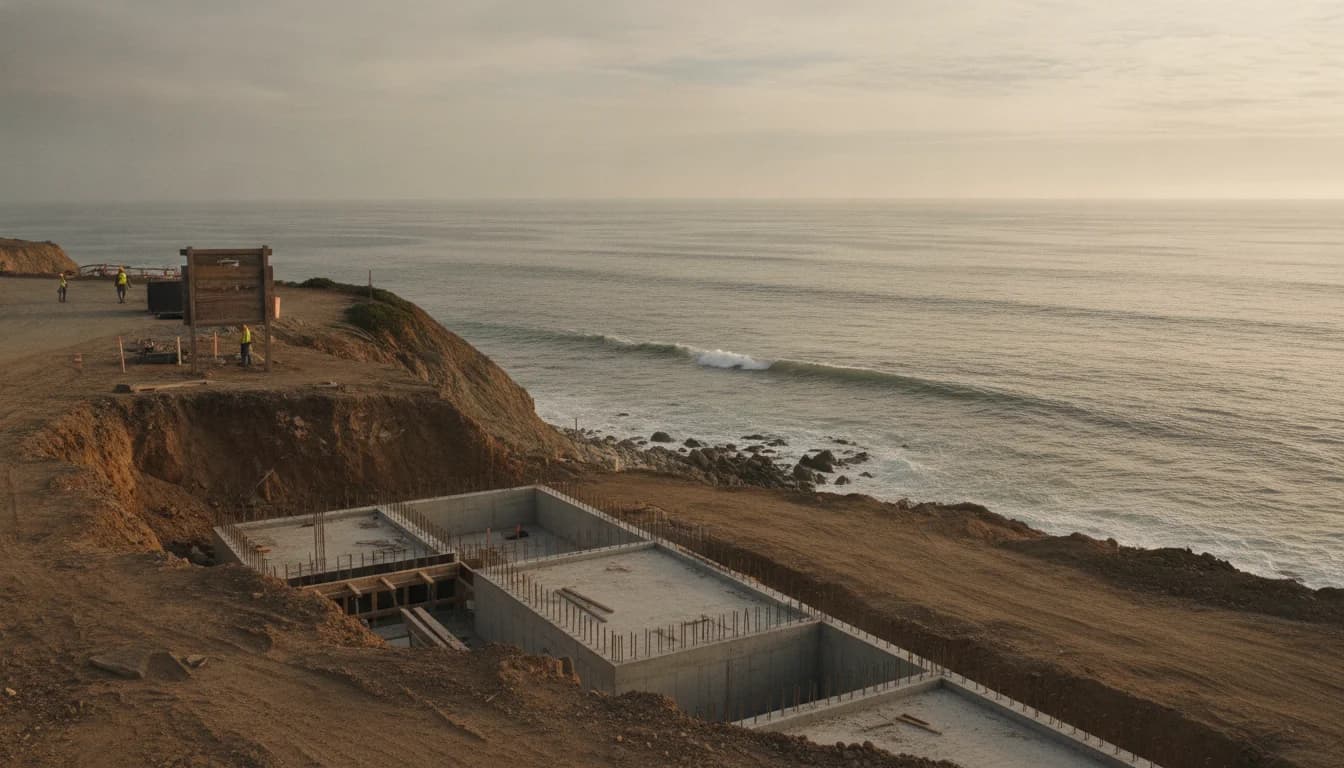
A major coastal development milestone unfolded this summer in Los Angeles as city officials moved to resolve a high-profile permit application for a waterfront site at 700 West Paseo del Mar. In late August 2026, the Los Angeles City Council adopted the coastal development permit associated with the project, marking a critical step in a multi-year process that began earlier in the year. The harbor-area proposal had earlier cleared a key local planning review, with the Harbor Area Planning Commission issuing its action on April 1, 2026. The sequence of events—from initial filing through council adoption—illustrates how Los Angeles balances coastal protections with urban development pressures in a densely populated, highly regulated coastal zone. This article provides a data-driven recap of what happened, why it matters for the city’s coastline and development policy, and what to watch next as the project moves into implementation and oversight phases. (cityclerk.lacity.org)
The project at stake is anchored in a formal suite of permits and reviews, including a Coastal Development Permit (CDP), zone variances, and a review under the Mello Act and historic-cultural resources protections. City records show that the case file—case ZA-2023-7218-ZV-CDP-MEL-HCA-1A, with related case ZA-2023-7218-ZV-CDP-MEL-HCA-2A—was introduced in July and progressed through agency channels before the council’s final action. The Harbor Area Planning Commission’s April 1, 2026 determination set the framework for subsequent agency action and public accountability, including avenues for appeal and oversight. The council’s adoption on August 26, 2026 completed a key milestone in a process that has spanned more than two years from initial filing to final approval. (cityclerk.lacity.org)
Opening up the broader context, permitting for coastal development in Los Angeles is governed by the California Coastal Act and local city procedures that require a coastal development permit when projects fall within the coastal zone. In practice, that means applicants must navigate a layered review that can involve local planning bodies, state coastal authorities, environmental assessments, and potential appeals. The framework emphasizes balancing new development with coastal resources, public access, and environmental safeguards. For readers tracking this case, the structure of the permit package—CDP alongside zone variances and environmental clearance under the MEL-HCA umbrella—signals a multi-faceted review rather than a single-issue approval. This context helps explain the sequencing of APC action, committee reviews, and final council adoption. (planning.lacity.org)
Section 1: What Happened
Commission Action
Harbor Area Planning Commission action on April 1, 2026
The Harbor Area Planning Commission issued a formal action related to the 700 West Paseo del Mar project on April 1, 2026, which addressed the Coastal Development Permit alongside related variances and environmental compliance. This decision established the baseline for subsequent administrative and legislative consideration and set the stage for any appeals or modifications before the City Council. The April 1, 2026 hearing date and APC action are recorded in the official council and planning documents, confirming that the commission advanced or recommended certain permit elements at that time. (cityclerk.lacity.org)
City Council adoption on August 26, 2026
Following committee review and a series of readings and deliberations, the Los Angeles City Council adopted the item related to the 700 West Paseo del Mar Coastal Development Permit forthwith on August 26, 2026. The adoption date appears in the council file docket and is noted in city records as the culmination of a multi-step process that began with an introduction earlier in the summer. The council’s action reflects formal approval of the permit package and related zoning variances, and it closes one major chapter in a longer entitlement process. (cityclerk.lacity.org)
Timeline and key milestones
- Introduced: July 1, 2026 (Date the file was initially opened in the record system) and, per alternate public summaries, July 28, 2026 (Introduced for council consideration in some public briefs).
- Harbor APC action: April 1, 2026 (Coastal Development Permit and related variances reviewed). (cityclerk.lacity.org)
- Planning and Land Use Management Committee: Scheduled for August 25, 2026, coordination preceding council action (as reflected in committee calendars and public briefs). (lacouncilwatch.org)
- City Council adoption: August 26, 2026 (Final council action and certification). (cityclerk.lacity.org)
Permit components and related reviews
The approved package for 700 West Paseo del Mar encompassed multiple permit types and reviews, including a Coastal Development Permit (CDP), two zone variances (ZV), and a Master Environmental Review process (MELL) with Historic Cultural Resources compliance (HCA). The record also shows environmental review under an assigned environmental document (ENV-2023-7220-CE). In sum, the project required a coordinated decision across environmental, zoning, and coastal-resource frameworks before reaching council adoption. (cityclerk.lacity.org)
Section 2: Why It Matters
Why the decision matters for LA’s coastline and markets
Coastal governance and city planning posture
The 700 West Paseo del Mar case provides a concrete example of how Los Angeles executes the Coastal Development Permit workflow in a dense coastal environment. The process demonstrates the city’s emphasis on transparent, multi-agency review, robust environmental oversight, and clear timetables for public accountability. The broader legal framework—anchored in the California Coastal Act and Local Coastal Program guidelines—frames these reviews as a necessary balance between coastal protection and responsible development. For readers tracking policy implications, the case underscores that even in high-demand waterfront corridors, projects must pass through both local and state-level channels to ensure compliance with environmental standards and public trust obligations. (coastal.ca.gov)
Local impact: Harbor-area residents, businesses, and public access
Coastal development decisions of this scale carry direct implications for the Harbor-area community, including local residents, small businesses, and users of public coastal access. The approval of a CDP tied to a land parcel at 700 West Paseo del Mar signals potential changes in land use, infrastructure investments, and related governance oversight. While the precise project design details are not disclosed here, the existence of variances and environmental clearance requirements typically indicates that the project may modify setbacks, heights, or land uses in ways that require additional public-interest safeguards and monitoring. This aligns with the state’s emphasis on public access and environmental stewardship along the coast. (planning.lacity.org)
Broader policy implications for development in coastal zones
From a policy perspective, the case illustrates how coastal jurisdictions manage a pipeline of approvals to ensure that development aligns with coastal-protection objectives while meeting housing, infrastructure, or commercial goals. The CDP framework, combined with Zone Variances and MEL-HCA considerations, highlights the importance of a holistic, cross-agency approach that can influence timing, public notice, and potential appeals in similar future projects. For stakeholders and analysts, this case may serve as a reference point for evaluating how future coastal development efforts in Los Angeles could leverage existing processes to maintain rigorous environmental and cultural resource protections. (planning.lacity.org)
Market context: construction timelines and investor confidence
While this article does not disclose project-specific budgets or construction timelines, adopting a coastal development permit within a single legislative session can have meaningful consequences for market confidence, permitting calendars, and investor expectations. The expeditious sequence—from APC action in April 2026 to council adoption by August 2026—demonstrates that, under current city processes, certain waterfront projects may move through review channels within a relatively compressed window, assuming no major objections or appeals arise. Observers should monitor subsequent permit enforcement schedules, any appeals, and the project’s readiness for construction if all conditions are satisfied. (cityclerk.lacity.org)
Who is affected and how
Residents of the Harbor-area communities, nearby property owners, and local businesses stand to be affected in practical terms by the final permit conditions and any required mitigations. Public agencies across environmental, planning, and public works domains will retain oversight roles as the project transitions from entitlement to implementation. The ongoing attention from city planning and environmental review offices suggests that accountability mechanisms—such as annual reporting, compliance checks, and potential post-permit modifications—will be part of the post-approval phase. The statutory framework guiding these activities—coastal permitting provisions and related oversight—ensures continuing public interest protections. (planning.lacity.org)
Section 3: What’s Next
Next steps in the permitting and oversight process
Potential appeals and council oversight
Even after council adoption, coastal permit decisions can be subject to appeals or reconsideration in certain circumstances. The existing record indicates that the 700 West Paseo del Mar case involved an appeal path during the planning process, and the public record notes the involvement of the Planning and Land Use Management Committee in August 2026 as part of the standard review cycle. Interested parties—neighbors, environmental groups, or stakeholder organizations—should monitor the Planning and Land Use Management Committee's official actions and any subsequent council motions. This case has already traversed multiple review layers, which suggests that any future changes or challenges would likely follow similar procedural channels. (lacouncilwatch.org)
Implementation and monitoring
With final approval in place, attention will shift to implementation steps defined by the CDP and any associated permit conditions. The city’s planning and environmental bureaus will likely issue a set of conditions, performance standards, and compliance timelines that the project must meet. The appearance of a multi-permit package including MEL and HCA considerations indicates ongoing oversight, including potential environmental monitoring and cultural resources management. Stakeholders should expect to see periodic reporting and, if necessary, revisions to mitigation measures as construction progresses and environmental effects are assessed. (planning.lacity.org)
Public engagement and transparency
One of the enduring values of this permitting process is transparency and public involvement. The city’s official docketing and public-facing records provide a trail of decisions, agency actions, and timelines that enable journalists, researchers, and residents to track progress. Readers interested in updates should reference the City Clerk’s public records and the Planning Department’s case information to verify ongoing developments and any new filings or amendments related to the 700 West Paseo del Mar CDP. (cityclerk.lacity.org)
How the community can stay informed
For residents and stakeholders who want to stay informed about the 700 West Paseo del Mar Coastal Development Permit, the City Clerk’s docket and City Planning case pages are the official sources for updates, decisions, and any forthcoming actions. City filings provide the factual basis for forthcoming revisions, while public committee agendas and city council hearing notices offer opportunities to participate or observe deliberations. In addition, reputable, neutral local news coverage can help interpret the implications of formal decisions for coastal policy, housing, and infrastructure markets. The combination of primary sources and independent reporting supports a balanced understanding of the permit of record and its real-world effects on the harbor district and the broader Los Angeles coastline. (cityclerk.lacity.org)
Closing
The 700 West Paseo del Mar Coastal Development Permit process showcases Los Angeles’ commitment to a data-driven, methodical approach to coastal development. From the Harbor APC’s April 1, 2026 action to the City Council’s August 26, 2026 adoption, the sequence reflects a structured, multi-layer review designed to safeguard coastal resources while allowing for regulated growth. As the project enters the implementation phase, observers should watch for defined conditions, ongoing environmental oversight, and any post-approval revisions that may be required to align with evolving coastal policies and urban needs. The city’s continued transparency in docketing, hearings, and official decisions remains essential for maintaining public trust and ensuring that coastal development proceeds with accountability and clarity. (cityclerk.lacity.org)
For readers who want a quick, data-driven snapshot, the following timeline captures the core dates and actions associated with the 700 West Paseo del Mar Coastal Development Permit:
- April 1, 2026: Harbor Area Planning Commission action on the CDP and related variances; environmental review components engaged. (cityclerk.lacity.org)
- July 28, 2026 (per public briefs): Filing introduced for council consideration; portal entries reflect the summer review cycle. (lacouncilwatch.org)
- August 25, 2026: Planning and Land Use Management Committee hearing scheduled to review APC determination and related materials. (lacouncilwatch.org)
- August 26, 2026: Los Angeles City Council adopted the 700 West Paseo del Mar Coastal Development Permit forthwith and related permit actions. (cityclerk.lacity.org)
In sum, the 700 West Paseo del Mar Coastal Development Permit marks a notable milestone in Los Angeles’ coastal governance and urban development landscape. The decision, and the process surrounding it, offers a reference point for how the city manages complex coastal entitlements, balancing environmental safeguards with development ambitions in a high-stakes coastal zone.
About the author
Priya Raghunathan
Priya Raghunathan writes about culture and sport for Los Angeles Monday: film and music, the restaurants feeding the city, and the teams and venues carrying it through the week.